


A wound may start as a small cut, scrape, surgical incision, diabetic sore, or pressure injury. But when it does not heal properly, it can become painful, infected, and harder to treat. Knowing when to see a wound specialist can help prevent complications and support faster, safer healing.
If you are searching for wound care near Garden Grove, Woundology provides convenient mobile wound care throughout Southern California, bringing professional wound care directly to patients at home, assisted living facilities, skilled nursing settings, and other care environments.
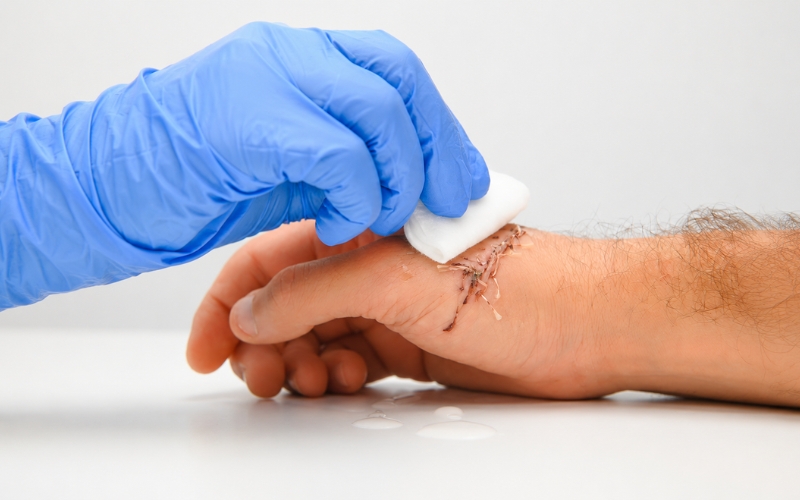
What Is a Wound Specialist?
A wound specialist is a healthcare professional trained to evaluate, treat, and monitor wounds that are slow to heal, complex, infected, or at risk of becoming serious. Wound specialists often care for:
- Diabetic foot ulcers
- Pressure ulcers / bedsores
- Venous leg ulcers
- Arterial wounds
- Surgical wounds
- Traumatic wounds
- Skin tears
- Burns
- Infected or draining wounds
- Chronic wounds that are not improving
Unlike basic first aid, specialized wound care focuses on identifying why a wound is not healing and creating a treatment plan that supports tissue repair, infection control, proper dressing selection, and ongoing monitoring.
When Should I See a Wound Specialist?
You should consider seeing a wound specialist if your wound is not improving as expected, is getting worse, or shows signs of infection. Here are the most important warning signs.
1. The Wound Has Not Improved in 1–2 Weeks
Minor wounds often begin to show visible improvement within several days. If your wound looks the same, becomes larger, or does not seem to be closing after one to two weeks, it may need professional evaluation.
A non-healing wound can be caused by poor circulation, diabetes, infection, repeated pressure, swelling, poor nutrition, or an underlying medical condition. A wound specialist can assess the wound and help determine what is slowing the healing process.
2. You Notice Signs of Infection
Seek medical care promptly if your wound shows signs of infection, such as:
- Increasing redness
- Swelling
- Warmth around the wound
- Worsening pain
- Pus or thick drainage
- Foul odor
- Fever or chills
- Red streaking from the wound
Infections can spread if they are not treated early. Professional wound care can help reduce the risk of serious complications, especially for older adults, people with diabetes, and patients with weakened immune systems.
3. The Wound Is Draining, Bleeding, or Has a Bad Odor
Some drainage can be normal during healing. However, thick yellow, green, cloudy, or foul-smelling drainage may be a sign of infection or tissue breakdown.
You should also seek care if bleeding does not stop with direct pressure, the wound keeps reopening, or the dressing becomes soaked frequently. These are signs that the wound needs closer medical attention.
4. You Have Diabetes and a Foot or Leg Wound
If you have diabetes, do not wait to get a foot, toe, ankle, or lower-leg wound checked. Diabetes can affect circulation and nerve sensation, which means wounds may worsen before you feel significant pain.
A small diabetic wound can become serious quickly if not treated properly. A wound specialist can help monitor the wound, recommend appropriate dressings, reduce pressure on the area, and coordinate care when additional medical attention is needed.
5. The Wound Is Caused by Pressure or Limited Mobility
Patients who spend long periods in bed, use a wheelchair, or have limited mobility are at higher risk for pressure ulcers, also called bedsores. These wounds commonly develop on the heels, hips, tailbone, elbows, and other bony areas.
Pressure wounds require more than a bandage. They need proper offloading, frequent monitoring, moisture control, dressing management, and a care plan that reduces ongoing pressure to the affected area.
6. The Wound Is Painful, Growing, or Turning Dark
A wound that becomes more painful, expands in size, develops black or dead-looking tissue, or changes color should be evaluated quickly. These signs may indicate poor blood flow, tissue death, infection, or another complication.
Early wound specialist intervention can help prevent the wound from becoming more difficult to treat.
7. You Recently Had Surgery and the Incision Looks Abnormal
Surgical wounds need attention if the incision opens, drains pus, becomes increasingly red or painful, feels hot to the touch, or if you develop a fever. If stitches or staples come out too soon, or the wound edges separate, contact a healthcare provider.
A wound specialist can help manage surgical wound complications and support proper healing after a procedure.
8. You or Your Loved One Has Difficulty Traveling to a Clinic
For many patients, getting to a wound clinic is difficult. This is especially true for seniors, people with mobility limitations, post-surgical patients, and patients living in care facilities.
That is where mobile wound care can make a major difference. Instead of requiring patients to travel, Woundology brings wound care directly to you.
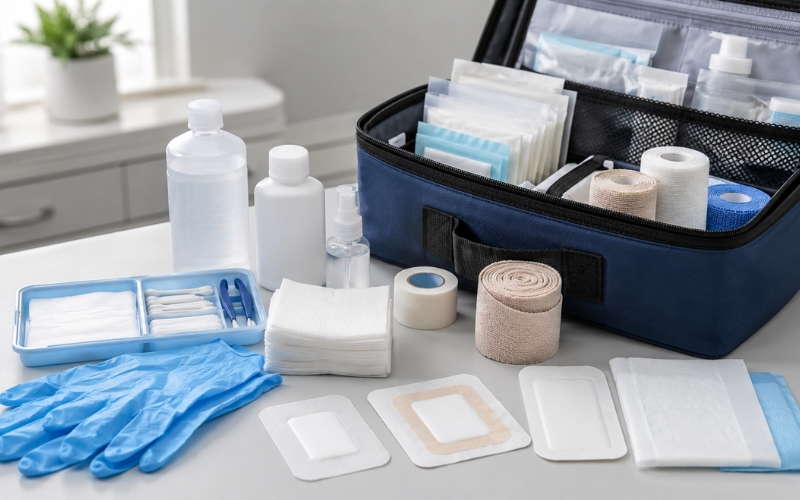
Why Choose Mobile Wound Care Near Garden Grove?
Searching for wound care near Garden Grove often means looking for convenient, reliable, and clinically appropriate care without the stress of transportation. Woundology provides mobile wound care across Southern California, helping patients receive professional wound support in the comfort of their own environment.
Mobile wound care may be especially helpful for:
- Seniors with limited mobility
- Patients recovering after surgery
- People with diabetic wounds
- Patients with chronic wounds
- Residents in assisted living or skilled nursing communities
- Family caregivers managing a loved one’s wound at home
- Patients who need regular wound checks and dressing changes
With mobile care, patients can receive wound assessment, treatment planning, dressing management, and follow-up support without unnecessary travel.
What to Expect During a Woundology Visit
During a mobile wound care visit, a wound care provider may:
- Evaluate the wound size, depth, drainage, odor, tissue condition, and surrounding skin
- Review medical history and risk factors that may affect healing
- Clean and dress the wound using appropriate wound care supplies
- Recommend a personalized wound care plan
- Educate the patient, family, or caregiver on proper wound care
- Monitor healing progress over time
- Coordinate with other healthcare providers when needed
The goal is not only to treat the wound, but also to identify what is preventing healing and reduce the risk of complications.
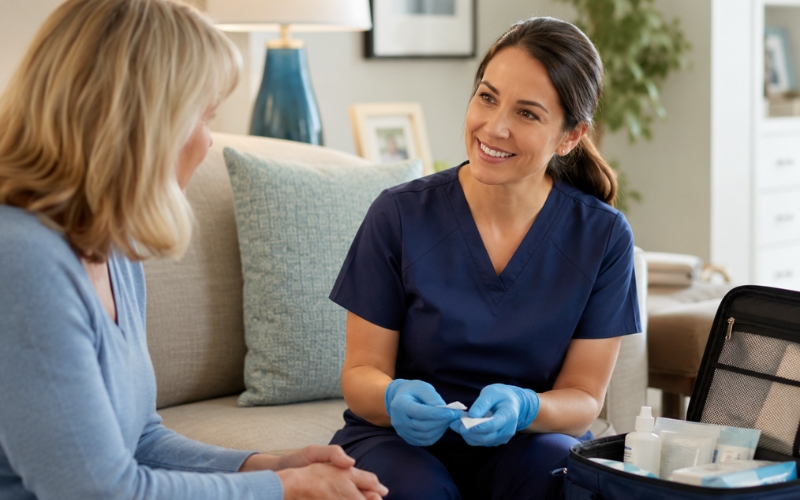
Wound Care Near Garden Grove and Across Southern California
If you or a loved one has a wound that is not healing, showing signs of infection, or becoming difficult to manage at home, it may be time to see a wound specialist.
Woundology provides mobile wound care near Garden Grove and throughout Southern California, helping patients receive professional wound support where they are. Whether you are managing a diabetic wound, pressure ulcer, surgical wound, or chronic non-healing wound, our team is here to help make wound care more accessible and less stressful.
Do not wait until a small wound becomes a serious problem. If your wound is not healing, looks infected, or needs expert attention, contact Woundology today to schedule a mobile wound care visit near Garden Grove or anywhere across Southern California.
Woundology’s mobile wound care services, please call (714) 643-5818. Referrals may be faxed to (714) 462-3074 or emailed to referral@woundologyclinic.com .
Our mobile wound care specialists provide advanced wound treatment services in homes, skilled nursing facilities (SNFs), assisted living communities, hospice, and home health settings throughout Southern California.