

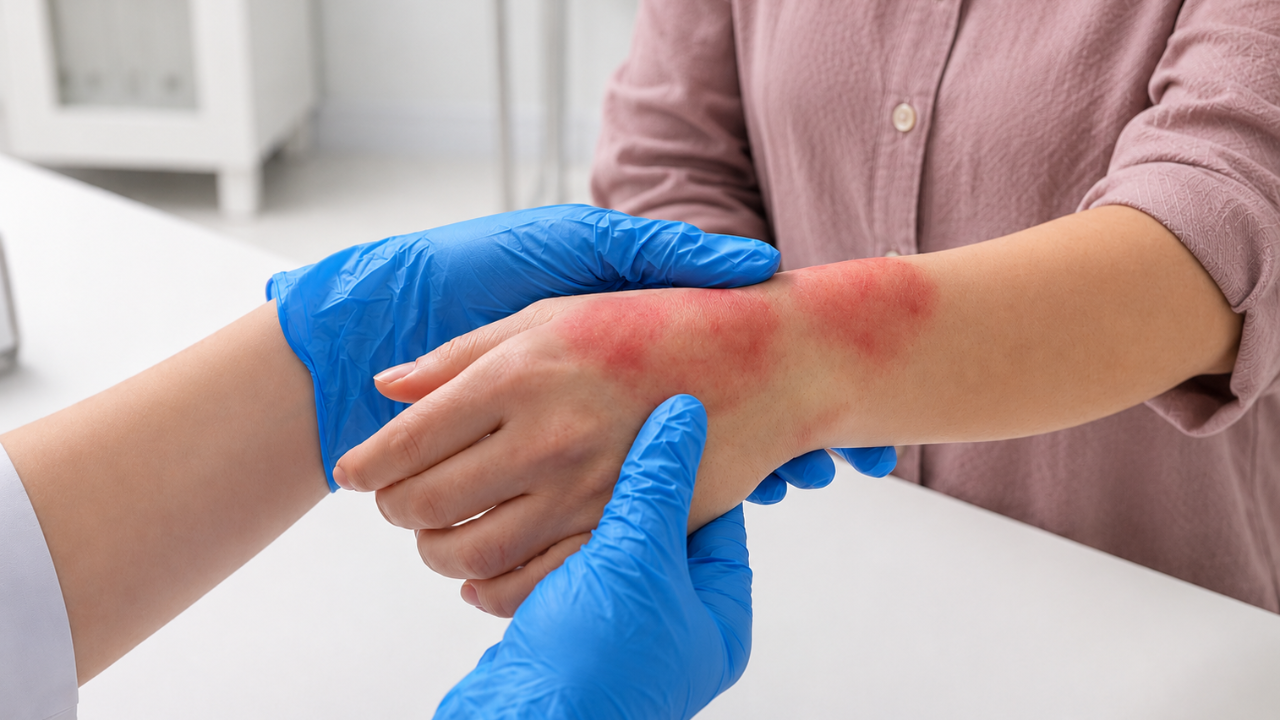
Burn injuries can range from minor skin irritation to severe tissue damage requiring specialized medical intervention. Without proper treatment, burn wounds may lead to infection, delayed healing, chronic pain, and long-term scarring.
Understanding Burn Wounds
Burn injuries occur when heat, chemicals, electricity, radiation, or friction damage the skin and underlying tissue. The extent of tissue damage determines how complex the healing process may become. Superficial burns may only affect the outer layer of the skin, while deeper burns can impact nerves, muscles, and blood vessels beneath the surface.
Even smaller burns should never be ignored. When skin integrity is compromised, the body becomes more vulnerable to bacteria, inflammation, and delayed healing. Without proper care, burn wounds can quickly progress into more serious complications that require advanced medical intervention.
The Different Levels of Burn Severity
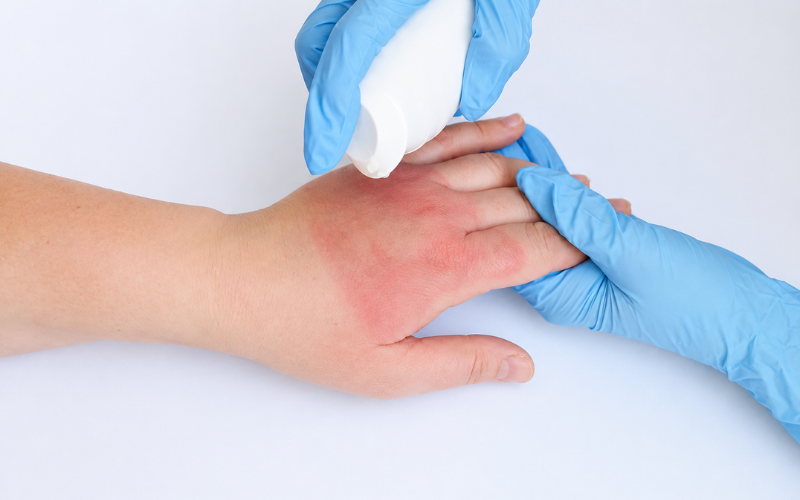
Not all burns heal the same way. First-degree burns are considered mild and typically cause redness, tenderness, and irritation without blistering. These injuries usually heal relatively quickly with supportive care and skin protection.
Second-degree burns extend deeper into the skin and often result in blistering, swelling, and significant pain. Because these wounds expose more vulnerable tissue, they carry a higher risk of infection and may require specialized dressings or wound management techniques.
Third-degree burns are among the most severe forms of burn injury. In these cases, the skin may appear white, charred, leathery, or darkened due to extensive tissue destruction. Some patients may experience reduced sensation because nerve endings have been damaged. These wounds require immediate medical attention and comprehensive treatment to support healing and prevent further complications.
The Different Levels of Burn Severity
Not all burns heal the same way. First-degree burns are considered mild and typically cause redness, tenderness, and irritation without blistering. These injuries usually heal relatively quickly with supportive care and skin protection.
Second-degree burns extend deeper into the skin and often result in blistering, swelling, and significant pain. Because these wounds expose more vulnerable tissue, they carry a higher risk of infection and may require specialized dressings or wound management techniques.
Third-degree burns are among the most severe forms of burn injury. In these cases, the skin may appear white, charred, leathery, or darkened due to extensive tissue destruction. Some patients may experience reduced sensation because nerve endings have been damaged. These wounds require immediate medical attention and comprehensive treatment to support healing and prevent further complications.
Why Burn Wounds Require Specialized Care
Healing a burn wound involves much more than simply covering the injured area. Burn care requires careful moisture balance, infection prevention, pain management, and ongoing monitoring throughout the recovery process.
One of the biggest concerns with burn injuries is infection. When the skin barrier is damaged, bacteria can enter the wound more easily, potentially slowing healing and increasing the risk of serious medical complications. Symptoms such as increased redness, swelling, drainage, unpleasant odor, worsening pain, or fever may indicate infection and should never be overlooked.
Professional wound care providers use advanced treatment methods designed to protect healing tissue while creating an environment that supports cellular repair. Depending on the severity of the wound, treatment may include antimicrobial dressings, specialized wound cleansers, debridement procedures, moisture-retentive therapies, and ongoing wound assessments.
Supporting the Healing Process
Burn wound healing occurs in several stages, beginning with the body’s immediate inflammatory response. During this phase, the immune system works to control damage and protect the wound from infection. As healing progresses, new tissue and blood vessels begin forming beneath the surface. Over time, the skin enters a remodeling phase in which scar tissue gradually strengthens and matures.
The healing timeline can vary significantly from patient to patient. Factors such as age, circulation, diabetes, nutritional status, immune function, and wound severity all influence recovery outcomes. For this reason, individualized treatment plans are essential when managing more complex burn injuries.
Proper wound management also plays an important role in reducing discomfort and minimizing long-term scarring. Maintaining a clean, protected healing environment can help preserve surrounding tissue and support healthier skin regeneration over time.
When to Seek Professional Burn Wound Care
While some minor burns may heal at home, deeper or slow-healing burns should always be evaluated by a medical professional. Burns involving large surface areas, extensive blistering, signs of infection, or delayed healing often require advanced wound care services. Burns affecting sensitive areas such as the hands, feet, joints, or face may also benefit from specialized treatment due to the increased risk of functional complications and scarring.
Patients with diabetes, vascular disease, or weakened immune systems should be especially cautious, as these conditions can significantly impair the body’s ability to heal properly.
Burn Wound Care at Home with Woundology
Healing from a burn injury can be physically exhausting and emotionally overwhelming, especially for patients with limited mobility or ongoing medical conditions. Accessing consistent wound care shouldn’t add additional stress during recovery.
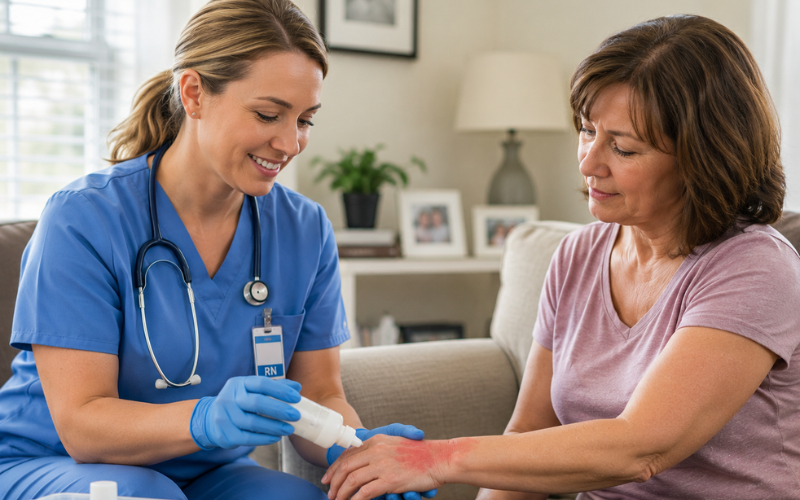
At Woundology, we provide advanced mobile wound care services throughout Southern California, bringing compassionate, professional treatment directly to patients in the comfort of their homes, assisted living communities, skilled nursing facilities, and residential care settings.
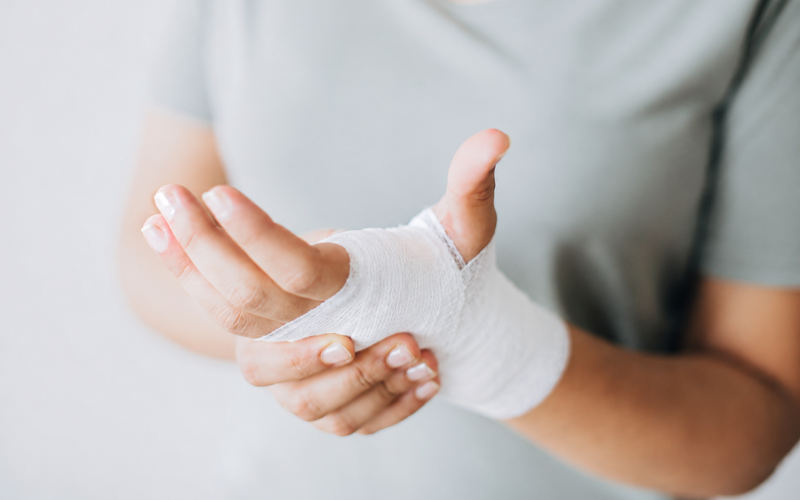
Our clinical team specializes in personalized wound management designed to support healing, reduce infection risks, and improve patient comfort without the need for frequent clinic visits. From burn wounds and surgical wounds to chronic non-healing ulcers, we deliver evidence-based care tailored to each patient’s unique condition and recovery goals.
With Woundology’s mobile wound care approach, patients across Southern California receive convenient access to specialized treatment where they need it most — because quality wound care should come to you.