

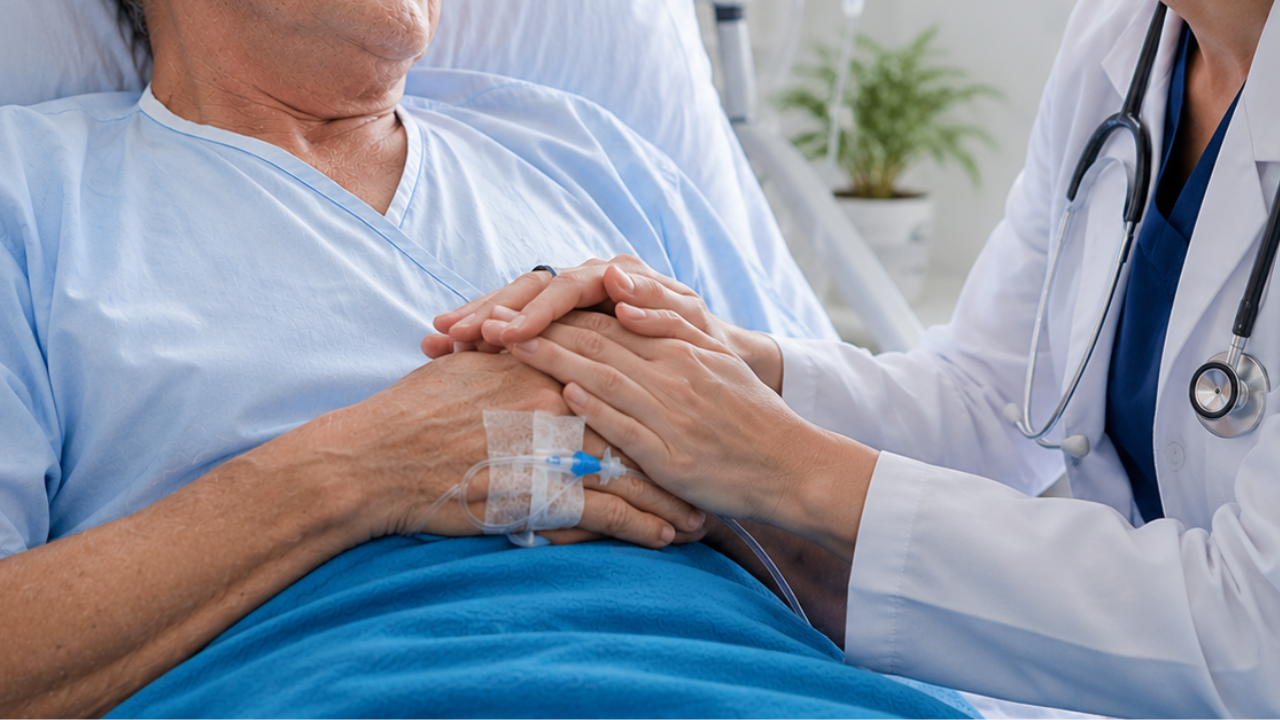
Cancer affects far more than the body’s internal systems. For many patients, cancer and its treatments can also lead to complex wounds that require ongoing medical attention, specialized care, and emotional support. At Woundology, we understand that wound care for cancer patients is not simply about managing symptoms — it is about protecting comfort, preserving dignity, and improving quality of life throughout every stage of care.
Cancer-related wounds can develop from tumors, radiation therapy, surgical procedures, pressure injuries, or complications related to weakened immune function. These wounds are often painful, slow to heal, and emotionally distressing for both patients and families. Because every oncology patient experiences healing differently, wound management must be personalized, compassionate, and clinically advanced.
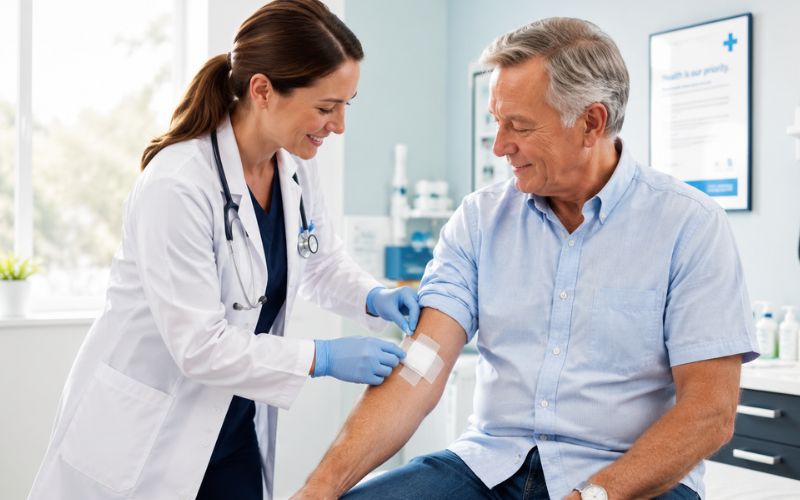
Understanding Cancer-Related Wounds
Cancer wounds are significantly different from many traditional chronic wounds. In many cases, they are more fragile, more sensitive, and more difficult to heal due to the body’s reduced regenerative capacity during cancer treatment.
Patients undergoing chemotherapy or radiation therapy may experience delayed tissue repair, increased skin sensitivity, and higher infection risk. Surgical wounds after tumor removal may also require specialized management to support healing while minimizing complications. Some patients may additionally develop malignant or fungating wounds caused by tumors growing through the skin, which can create drainage, odor, bleeding, and significant discomfort.
These wounds do not only affect physical health. They can also impact confidence, emotional well-being, mobility, sleep quality, and social interaction.
Common Types of Wounds in Cancer Patients
Cancer patients may experience several different wound types depending on their diagnosis and treatment plan.
Surgical Wounds: After cancer surgery, incisions may heal slowly due to weakened immunity, poor circulation, or ongoing treatments such as chemotherapy or radiation. Proper wound monitoring is essential to reduce infection risk and support tissue regeneration.
Radiation-Induced Skin Injuries: Radiation therapy can damage healthy skin tissue surrounding the treatment area, leading to redness, irritation, peeling, burns, and open wounds. These injuries often require gentle skin protection and moisture management.
Malignant Wounds: Malignant wounds occur when cancer infiltrates the skin and underlying tissue. These wounds may produce heavy drainage, odor, bleeding, and pain, making specialized wound management especially important.
Pressure Injuries and Skin Breakdown: Cancer patients with reduced mobility may face increased risk of pressure ulcers and skin tears, especially when combined with poor nutrition and extended bed rest. Consistent repositioning and skin assessments are critical components of prevention.
Pain Management and Patient Comfort
Pain management is one of the most important aspects of oncology wound care. Cancer wounds can become extremely sensitive due to inflammation, exposed nerve endings, infection, or repeated dressing changes.
Our wound specialists focus on minimizing discomfort through atraumatic dressing techniques, advanced wound products, and individualized treatment strategies. Gentle care techniques help reduce trauma during dressing removal while supporting a more comfortable healing experience.
Maintaining comfort is not only important physically — it also helps reduce emotional stress and anxiety associated with wound treatment.
The Importance of Infection Prevention
Cancer treatments often weaken the immune system, making patients more vulnerable to wound infections and delayed healing. Early intervention and close monitoring are essential.
Signs such as increased redness, swelling, drainage, warmth, or unusual odor should never be ignored. Specialized wound care teams help identify complications early while implementing evidence-based strategies to reduce bacterial burden and protect fragile tissue.
Nutrition’s Role in Healing
Healing requires proper nutrition, especially for cancer patients whose bodies are already under significant physical stress. Protein, hydration, vitamins, and essential nutrients all contribute to tissue repair and immune function.
Nutritional support can help:
- Promote skin integrity
- Improve tissue regeneration
- Reduce healing time
- Support immune health
- Lower complication risk
Comprehensive wound care often includes collaboration with nutrition specialists to ensure patients receive adequate support during recovery.
Emotional Support Is Part of Wound Healing
Cancer wounds can deeply affect a patient’s self-esteem and emotional well-being. Odor, drainage, visible skin changes, and mobility limitations may lead to embarrassment, isolation, or anxiety.
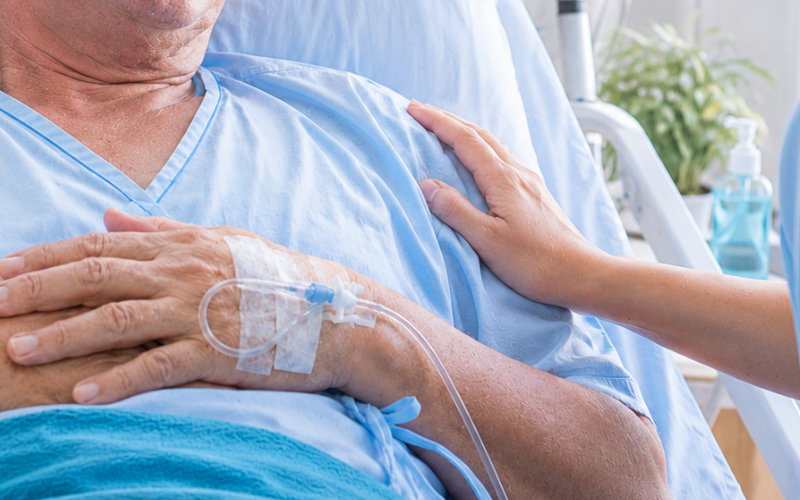
Compassionate wound care means creating a safe, respectful environment where patients feel heard, supported, and cared for with dignity. Emotional support is a critical part of improving overall quality of life during cancer treatment.
Advanced Wound Care at Woundology
At Woundology, we provide personalized wound management solutions designed to support complex healing needs, including oncology-related wounds. Our team combines advanced clinical expertise with compassionate patient-centered care to help improve comfort, reduce complications, and support healing outcomes.
We believe every patient deserves:
- Expert wound assessment
- Individualized treatment planning
- Compassionate clinical support
- Advanced wound management solutions
- Ongoing education and guidance
Healing is not always linear, especially for cancer patients. But with specialized care, patients can experience greater comfort, confidence, and support throughout their journey.
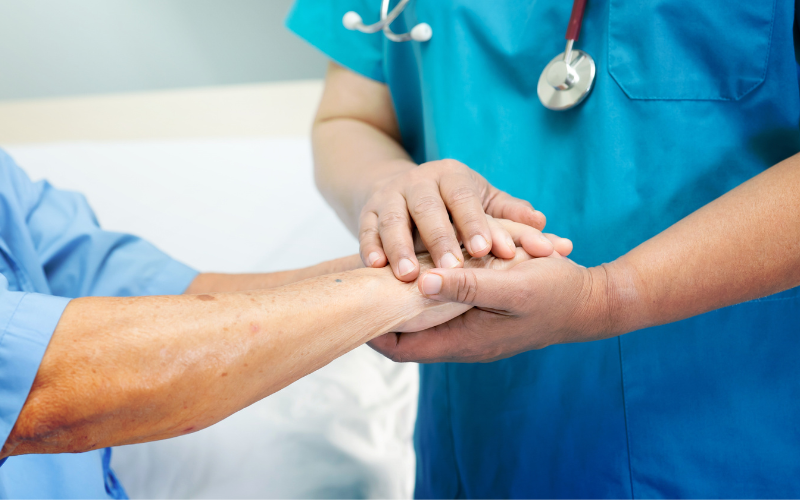
Wound care for cancer patients requires far more than routine treatment. It demands clinical expertise, empathy, patience, and a deep understanding of the physical and emotional challenges patients face every day.
At Woundology, we are committed to delivering compassionate, advanced wound care that supports healing while preserving comfort and dignity. Every wound tells a story — and every patient deserves care that sees the person behind it.