

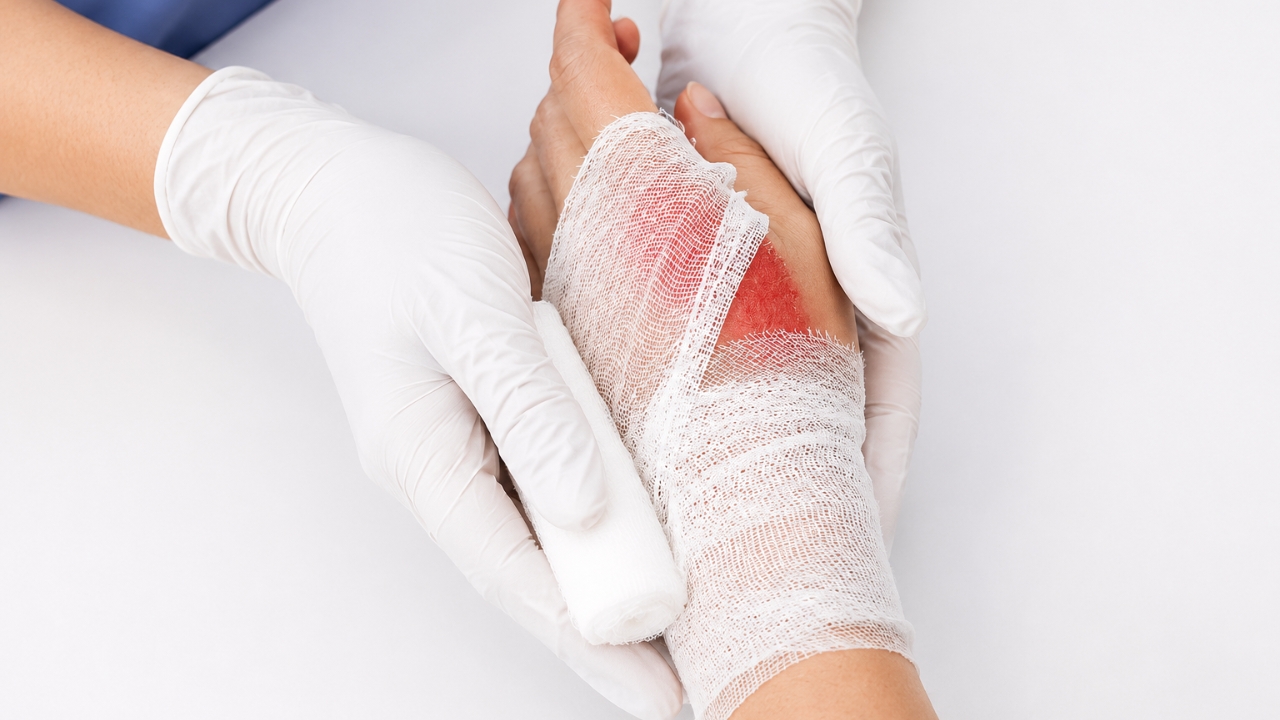
A wound that isn’t treated properly can quickly develop into a serious health issue, increasing the risk of infection, delayed healing, hospitalization, or even amputation in severe cases. That’s why finding reliable wound care in Garden Grove is essential when a wound shows signs of not healing as expected. Understanding when to seek help from a wound care specialist can protect your health, accelerate recovery, and prevent minor injuries from becoming long-term complications.
Why Some Wounds Don’t Heal Properly
Wound healing is a complex biological process that depends on healthy circulation, adequate nutrition, infection control, and proper medical management.
Several conditions can slow or stop healing, including:
- Diabetes
- Peripheral artery disease
- Poor circulation
- Venous insufficiency
- Pressure injuries from prolonged bed rest
- Immune disorders
- Advanced age
- Malnutrition
Many patients believe that simply changing bandages is enough. Unfortunately, chronic wounds often require specialized assessment and advanced treatment techniques.
7 Signs You Should Call a Wound Care Specialist
1. Your Wound Hasn’t Improved After Two Weeks
Most minor wounds begin showing noticeable improvement within 7–14 days.
If your wound:
- Looks the same
- Gets larger
- Continues draining
- Doesn’t show new healthy tissue
it’s time to seek professional evaluation.
Persistent wounds are often classified as chronic wounds and require specialized care.
2. You Notice Signs of Infection
An infected wound should never be ignored.
Warning signs include:
- Increasing redness
- Swelling
- Warm skin around the wound
- Pus or thick drainage
- Foul odor
- Fever or chills
- Increasing pain
Without proper treatment, infections can spread into deeper tissues or the bloodstream.
Professional wound specialists can evaluate the severity and recommend appropriate interventions before complications worsen.
3. You Have Diabetes
People living with diabetes are significantly more likely to develop chronic wounds, particularly on the feet.
Even a small blister or cut can become:
- Diabetic foot ulcers
- Serious infections
- Bone infections
- Amputation risks
If you have diabetes, you should never wait until a wound becomes severe.
Early wound care Garden Grove services can dramatically improve outcomes.
4. The Wound Is Deep or Exposes Tissue
Seek immediate specialized care if your wound:
- Appears unusually deep
- Exposes fat or muscle
- Has black or dead tissue
- Continues bleeding
- Was caused by significant trauma
These wounds often require advanced treatment methods beyond standard first aid.
5. You’re Caring for an Elderly Loved One
Many seniors experience wounds caused by:
- Limited mobility
- Poor circulation
- Fragile skin
- Pressure injuries
- Surgical recovery
Transportation to multiple appointments can be physically exhausting for both patients and caregivers.
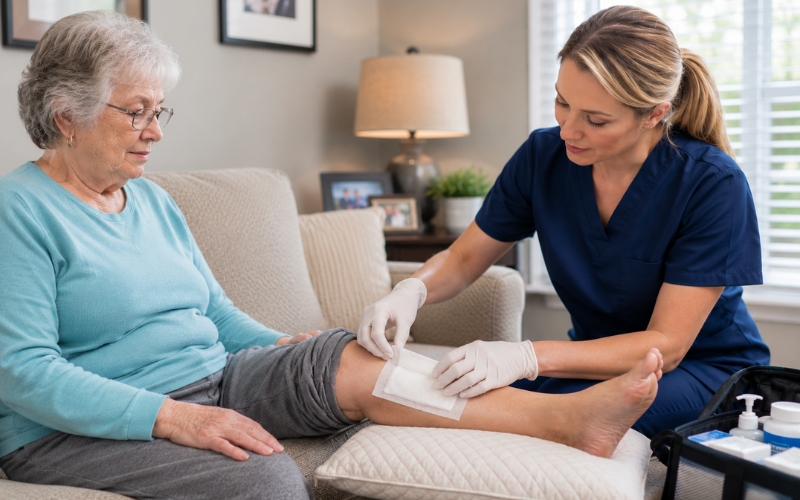
Mobile wound care allows seniors to receive expert treatment from the comfort of home while maintaining continuity of care.
6. The Wound Keeps Returning
If a wound heals and then reopens repeatedly, there may be an underlying medical issue such as:
- Venous disease
- Poor circulation
- Pressure
- Diabetes complications
Simply covering the wound again won’t solve the root problem.
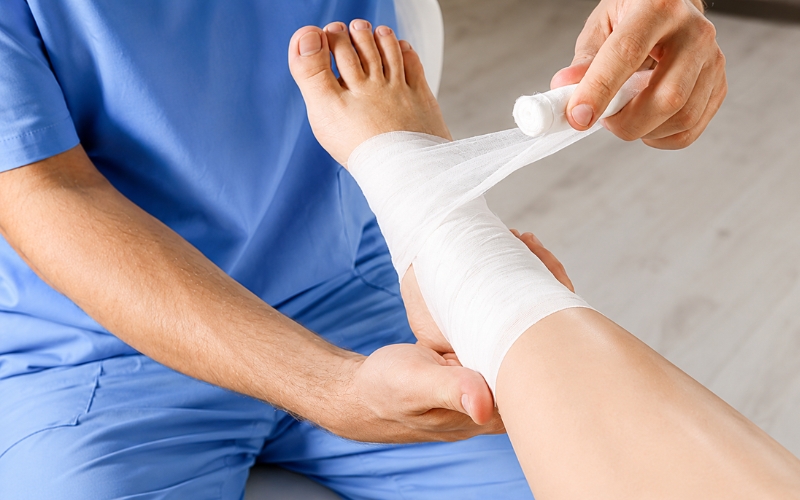
A wound care specialist evaluates both the wound and the underlying factors preventing long-term healing.
7. You’re Recovering After Surgery
Post-surgical wounds occasionally develop complications, including:
- Delayed healing
- Infection
- Drainage
- Tissue separation
Patients recovering at home may benefit from regular professional monitoring without repeated clinic visits.
Mobile wound care ensures ongoing assessment while reducing unnecessary travel during recovery.
The Benefits of Mobile Wound Care in Garden Grove
Healthcare is increasingly moving toward patient-centered care, and wound treatment is no exception.
With Woundology’s mobile services, patients receive specialized care where they feel most comfortable—their own home.
Benefits include:
- Personalized treatment plans
- Reduced transportation challenges
- Lower exposure to hospital-acquired infections
- Convenient scheduling
- Family involvement in care
- Ongoing monitoring and education
This approach is especially valuable for seniors, individuals with limited mobility, and patients managing chronic medical conditions.
Conditions Commonly Treated
Our specialists provide care for a variety of wounds, including:
- Diabetic foot ulcers
- Pressure ulcers (bedsores)
- Venous leg ulcers
- Arterial ulcers
- Surgical wounds
- Traumatic injuries
- Skin tears
- Non-healing chronic wounds
Each patient receives an individualized assessment to support optimal healing.
Serving Garden Grove, Orange County, and Southern California
As a trusted provider of mobile wound care in Garden Grove, Woundology proudly serves patients across Orange County and Southern California with convenient, in-home wound management services. Our goal is to bring advanced wound care directly to patients who need expert treatment, helping them heal safely and comfortably without frequent clinic visits.
Don’t Wait Until a Small Wound Becomes a Big Problem
Many serious wound complications begin as minor injuries that were left untreated for too long.
If your wound isn’t healing, shows signs of infection, or you’re living with diabetes or mobility challenges, seeking specialized care early can make all the difference.
Professional wound care Garden Grove services help reduce complications, promote faster healing, and improve quality of life.
With Woundology’s mobile wound care team, expert treatment comes directly to your home—providing the specialized care you need without the burden of unnecessary travel.
Frequently Asked Questions (FAQ)
How long should I wait before seeing a wound care specialist?
If your wound hasn’t improved within two weeks or worsens at any time, you should seek evaluation from a wound care specialist.
Can wound care be provided at home?
Yes. Mobile wound care services bring professional assessment and treatment directly to your home, making care more convenient and accessible.
Who benefits most from mobile wound care?
Seniors, patients with diabetes, individuals with limited mobility, and those recovering from surgery often benefit greatly from in-home wound care services.
Is a chronic wound considered an emergency?
Not always, but chronic wounds should never be ignored. Early treatment reduces the risk of infection, hospitalization, and other serious complications.
Woundology’s mobile wound care services, please call (714) 643-5818. Referrals may be faxed to (714) 462-3074 or emailed to referral@woundologyclinic.com .
Our mobile wound care specialists provide advanced wound treatment services in homes, skilled nursing facilities (SNFs), assisted living communities, hospice, and home health settings throughout Southern California.