

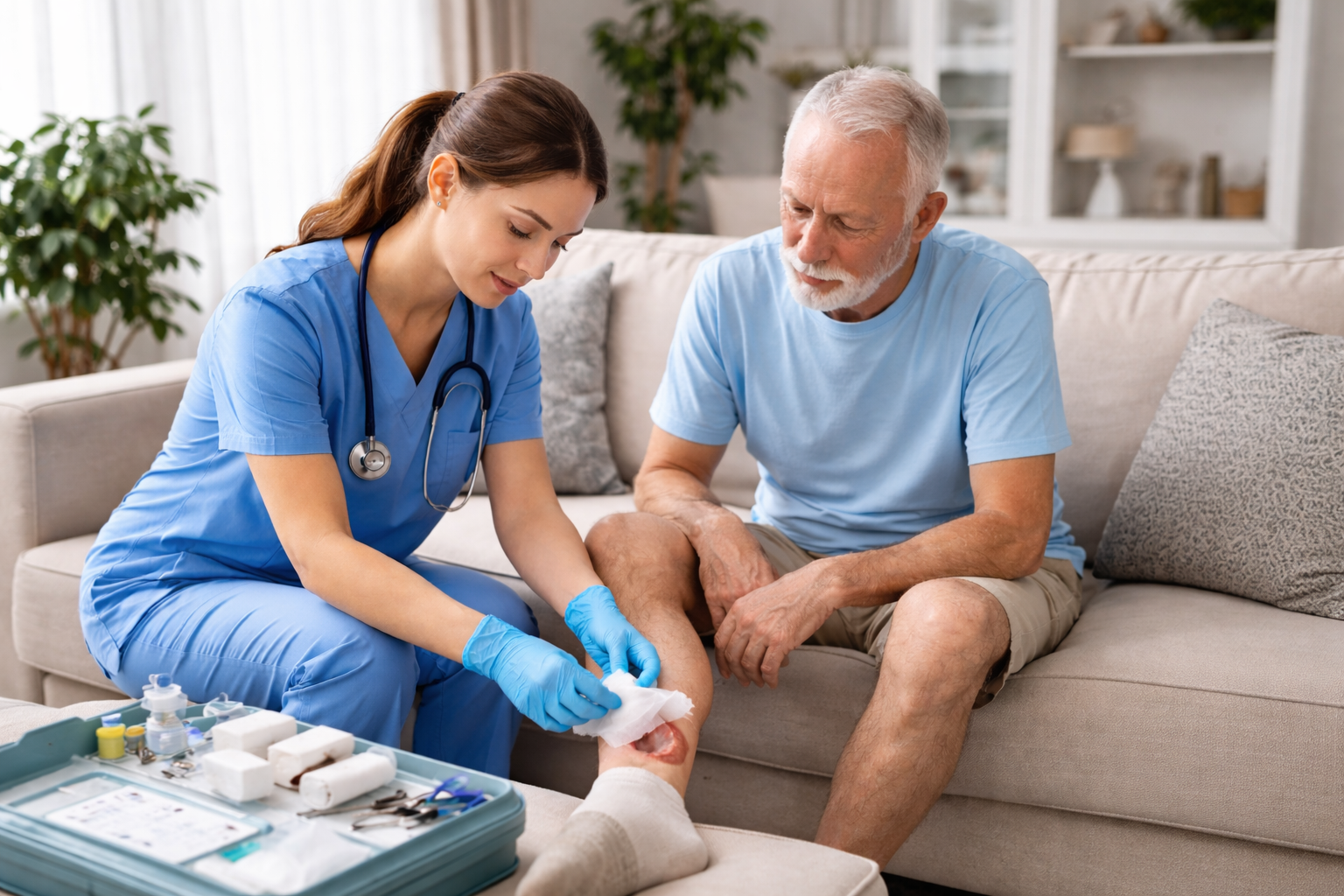
A wound may seem minor at first, but without proper care, even a small injury can develop into a serious health concern. This Wound Care Guide explains why timely and appropriate wound care is essential, as millions of Americans seek medical treatment each year for conditions ranging from simple cuts and burns to chronic ulcers and post-surgical complications.
For patients throughout Southern California, understanding how wounds heal and when professional intervention is necessary can significantly improve recovery outcomes and reduce the risk of infection, hospitalization, and long-term complications.
This comprehensive wound care guide explains the different types of wounds, available treatment options, recovery best practices, and warning signs that indicate you should seek professional wound care.
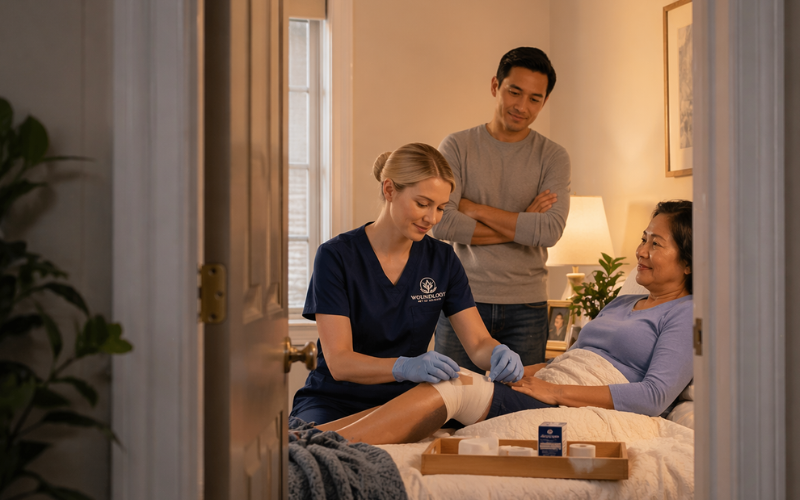
Professional mobile wound care service by WoundologyWhat Is Wound Care?
Wound care is the assessment, treatment, and ongoing management of injuries affecting the skin and underlying tissues. The goal is not simply to cover a wound but to create the optimal environment for healing while minimizing the risk of infection and complications.
Professional wound care may include:
- Comprehensive wound evaluation
- Cleansing and irrigation
- Appropriate dressing selection
- Infection prevention and management
- Removal of non-viable tissue when necessary
- Continuous monitoring and follow-up
Because every patient heals differently, treatment should be individualized based on wound type, medical history, circulation, and overall health.
Why Proper Wound Care Matters
Proper wound care is essential because the body’s healing process can easily be disrupted by bacteria, poor circulation, chronic disease, or repeated trauma.
Without appropriate treatment, wounds may result in:
- Local infection
- Cellulitis
- Delayed healing
- Tissue damage
- Chronic wounds
- Hospital admission
- Increased healthcare costs
Patients with diabetes, vascular disease, or reduced mobility are particularly vulnerable to these complications.
Early intervention often leads to better healing outcomes and helps prevent long-term problems.
Common Types of Wounds
Understanding the type of wound is the first step toward selecting the appropriate treatment plan.
1. Acute Wounds
Acute wounds occur suddenly and generally heal within a predictable timeframe.
Examples include:
- Cuts
- Scrapes
- Lacerations
- Minor burns
- Surgical incisions
- Traumatic injuries
Most acute wounds heal within days or weeks when properly managed.
2. Chronic Wounds
Chronic wounds fail to progress through the normal healing process and often remain open for several weeks or months. These wounds require ongoing evaluation and specialized treatment.
Common chronic wounds include:
Diabetic Foot Ulcers
Diabetes can impair circulation and reduce sensation in the feet, making injuries difficult to detect and heal.
Symptoms may include:
- Open sores
- Drainage
- Redness
- Swelling
- Slow healing
Without timely treatment, diabetic ulcers can lead to serious infection and tissue loss.
Pressure Ulcers (Bedsores)
Pressure ulcers develop when prolonged pressure reduces blood supply to the skin.
Common locations include:
- Heels
- Hips
- Sacrum
- Ankles
- Elbows
Patients with limited mobility should receive regular skin assessments and repositioning to reduce risk.
Venous Leg Ulcers
Venous ulcers occur due to poor circulation in the veins, most commonly around the lower legs.
Signs may include:
- Swelling
- Skin discoloration
- Persistent drainage
- Slow healing
Compression therapy and ongoing management are often important components of treatment.
Arterial Ulcers
Arterial ulcers result from reduced blood flow caused by peripheral artery disease and often require comprehensive vascular evaluation.
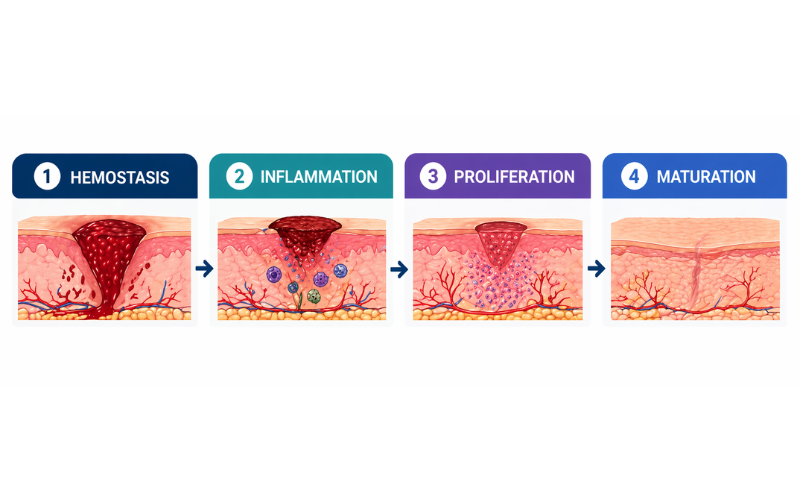
The Four Stages of Wound Healing
1. Hemostasis
Immediately after injury, the body forms blood clots to stop bleeding and protect the wound.
2. Inflammatory Phase
The immune system removes bacteria and damaged tissue while preparing the wound for repair.
This stage is characterized by:
- Mild swelling
- Warmth
- Redness
- Temporary discomfort
3. Proliferative Phase
New tissue begins forming as collagen production increases and blood vessels regenerate. Healthy granulation tissue develops during this stage.
4. Remodeling Phase
During remodeling, scar tissue strengthens and skin gradually regains function. This process may continue for several months after the wound appears closed.
Factors That Can Delay Healing
Several medical and lifestyle factors may interfere with recovery.
Diabetes: Elevated blood sugar affects circulation and immune function.
Poor Circulation: Reduced oxygen delivery slows tissue repair.
Infection: Bacterial contamination damages healthy tissue and prolongs inflammation.
Smoking: Nicotine decreases blood flow and delays healing.
Poor Nutrition: Protein, vitamins, zinc, and hydration are essential for tissue regeneration.
Advanced Age: Older adults often experience slower healing due to reduced regenerative capacity.
Modern Wound Treatment Options
Treatment depends on wound type, severity, and patient health.
Wound Cleansing
Cleaning removes contaminants and reduces infection risk while preserving healthy tissue.
Advanced Dressings
Modern dressings help maintain a balanced moisture environment that supports healing.
Debridement
When dead or infected tissue is present, debridement may be necessary to promote healthy healing.
Only trained healthcare professionals should determine whether debridement is appropriate.
Infection Management
When infection is present, treatment may involve:
- Clinical monitoring
- Antimicrobial dressings
- Antibiotics when medically indicated
Compression Therapy
Compression can improve circulation for patients with venous leg ulcers and reduce swelling.
Ongoing Monitoring
Regular reassessment allows treatment plans to be adjusted based on healing progress.
Wound Care Recovery Tips for Faster Healing
Patients can support recovery by adopting healthy habits.
Keep the wound clean
Follow wound care instructions and avoid unnecessary contamination.
Eat a balanced diet
Adequate protein, vitamins, and hydration support tissue repair.
Manage chronic conditions
Good control of diabetes and cardiovascular disease promotes better healing.
Avoid smoking
Smoking significantly reduces blood flow and oxygen delivery to healing tissue.
Protect the wound
Avoid repeated pressure or trauma that may delay recovery.
Follow your treatment plan
Attend follow-up appointments and contact a healthcare professional if symptoms worsen.
When Should You See a Wound Care Specialist?
Seek professional evaluation if:
- A wound has not healed within two to four weeks
- Pain or swelling is increasing
- There is drainage or foul odor
- Blackened tissue appears
- You develop fever or chills
- The wound is related to diabetes or poor circulation
- A surgical wound opens or shows signs of infection
Early treatment often prevents more serious complications.
Why Southern California Patients Trust Woundology for Mobile Wound Care
Patients across Southern California, including Los Angeles, Orange County, Riverside, San Bernardino, and surrounding communities, often need expert wound care but may face challenges traveling to clinics or hospitals due to limited mobility, chronic illness, or post-surgical recovery.
Woundology specializes in mobile wound care and in-home wound care services, bringing advanced wound treatment directly to patients in the comfort of their own homes. By delivering personalized care where patients feel most comfortable, our team helps reduce unnecessary hospital visits while supporting safer and more efficient healing.
Our patient-centered approach includes:
- Comprehensive wound assessments
- Individualized treatment plans
- Advanced wound care techniques and dressing management
- Ongoing evaluation of the healing process
- Education and support for patients and caregivers
- Coordination of care when appropriate
- Whether managing diabetic foot ulcers, pressure injuries, surgical wounds, or other chronic wounds, our goal is to provide evidence-based care that promotes healing, improves mobility, and enhances quality of life for patients throughout Southern California.
Frequently Asked Questions
What is wound care?
Wound care is the treatment and management of injuries to the skin and underlying tissues. Proper care helps prevent infection, supports healing, and reduces the risk of complications.
What types of wounds require professional care?
Chronic wounds, diabetic foot ulcers, pressure injuries, surgical wounds, and wounds that show signs of infection or fail to heal within a few weeks should be evaluated by a healthcare professional.
How long does a wound take to heal?
Healing time depends on the type of wound and the patient’s overall health. Minor wounds may heal within days, while chronic wounds can take weeks or months to recover.
When should I see a wound care specialist?
You should seek professional care if your wound becomes more painful, swollen, develops drainage or an odor, or has not improved after two to four weeks.
Can patients receive wound care at home in Southern California?
Yes. Many patients throughout Southern California benefit from mobile wound care services, particularly those recovering from surgery, managing diabetes, or experiencing limited mobility.
Why is early wound treatment important?
Early evaluation and treatment can help prevent infection, reduce complications, promote faster healing, and improve overall recovery outcomes.
Woundology’s mobile wound care services, please call (714) 643-5818. Referrals may be faxed to (714) 462-3074 or emailed to referral@woundologyclinic.com .
Our mobile wound care specialists provide advanced wound treatment services in homes, skilled nursing facilities (SNFs), assisted living communities, hospice, and home health settings throughout Southern California.