

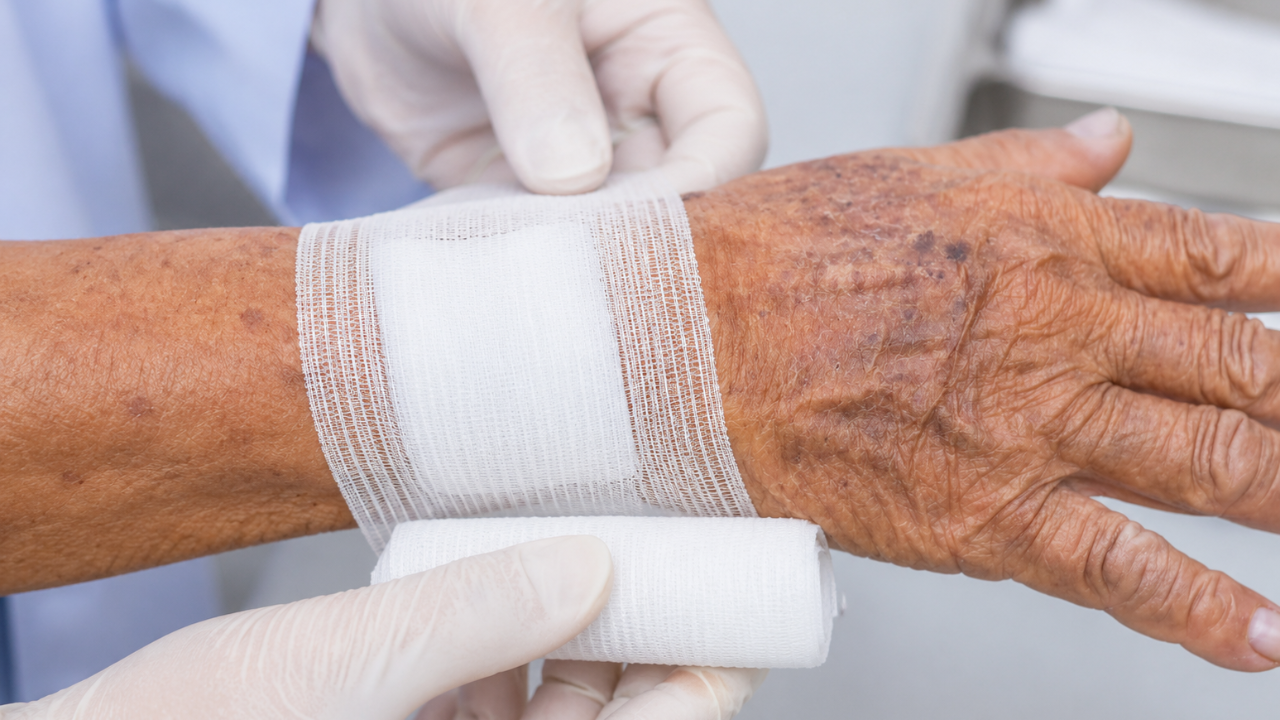
As the body ages, the skin undergoes significant structural and functional changes that can directly affect how wounds heal. Older adults often experience thinner skin, reduced elasticity, slower cell regeneration, and impaired circulation — all of which can delay recovery and increase the risk of chronic wounds.
Understanding the relationship between aging and wound healing is essential for preventing complications and improving long-term skin health. With appropriate wound care strategies and early intervention, many age-related healing challenges can be effectively managed.
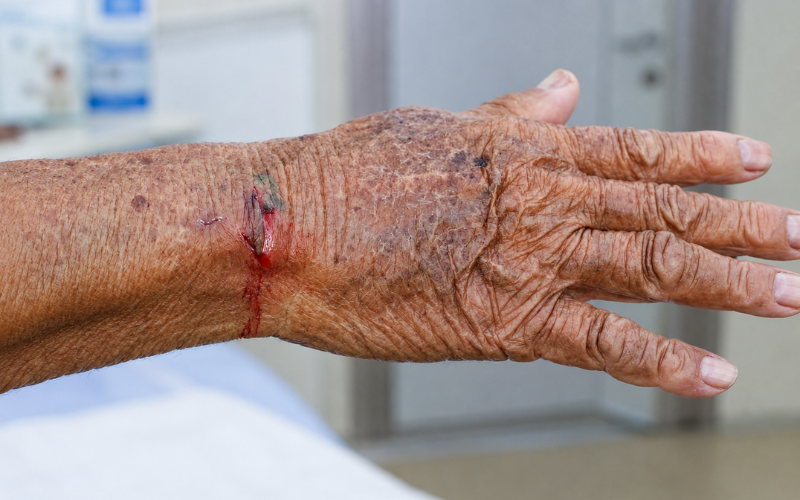
Why Aging Skin Heals More Slowly
Skin serves as the body’s first protective barrier against infection, injury, and environmental stress. However, aging gradually weakens this defense system.
Research shows that aging skin experiences reduced collagen production, diminished blood flow, and slower inflammatory responses, making tissue repair less efficient.
Some of the most common age-related skin changes include:
- Thinning of the epidermis and dermis
- Reduced collagen and elastin
- Decreased moisture retention
- Fragile blood vessels
- Slower cellular turnover
- Reduced immune response
- Impaired oxygen and nutrient delivery
Together, these changes can increase vulnerability to skin tears, pressure injuries, infections, and chronic wounds.
How Aging Affects the Wound Healing Process
Wound healing normally occurs in several phases:
- Hemostasis
- Inflammation
- Proliferation
- Remodeling
In older adults, each phase may become less efficient or prolonged.
Prolonged Inflammation
Healthy inflammation is necessary during early healing. However, aging can cause inflammation to persist longer than normal. This prolonged inflammatory state may increase tissue damage and slow wound closure.
Older skin also tends to produce higher levels of oxidative stress and reactive oxygen species (ROS), which can further impair tissue repair.
Reduced Collagen Production
Collagen is critical for rebuilding damaged tissue and restoring skin strength.
As collagen synthesis decreases with age, wounds may:
- Close more slowly
- Develop weaker scar tissue
- Become more vulnerable to reopening
- Heal with reduced tensile strength
Reduced fibroblast activity in aging skin also limits the body’s ability to regenerate healthy tissue effectively.
Impaired Blood Circulation
Microcirculation naturally declines with age, reducing oxygen and nutrient delivery to injured tissue. Poor circulation can significantly delay wound healing and increase infection risk.
Conditions commonly associated with aging — such as diabetes, vascular disease, and reduced mobility — may further compromise circulation and tissue repair.
Slower Cell Regeneration
The skin continuously renews itself through cellular turnover. In aging adults, this process slows considerably.
As a result:
- New skin cells form more slowly
- Re-epithelialization is delayed
- Skin becomes thinner and more fragile
- Recovery from injury takes longer
Older adults are therefore more susceptible to chronic or non-healing wounds, particularly pressure ulcers and diabetic wounds.
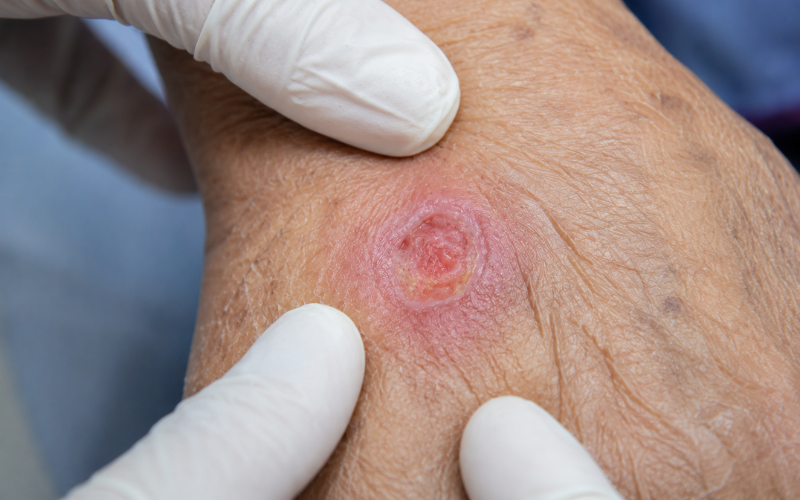
Common Wounds Seen in Older Adults
Aging skin is more prone to several wound types, including:
Pressure Injuries: Reduced mobility and fragile skin increase the risk of pressure ulcers, especially in bedridden or wheelchair-bound patients.
Skin Tears: Thin, delicate skin can tear easily from friction or minor trauma.
Diabetic Foot Ulcers: Older adults with diabetes often experience poor circulation and nerve damage, which significantly affects healing.
Venous Leg Ulcers: Venous insufficiency becomes more common with age and can lead to chronic lower leg wounds.
Factors That Further Delay Healing in Seniors
While aging alone impacts healing, additional factors often contribute to delayed recovery:
- Diabetes
- Poor nutrition
- Dehydration
- Reduced mobility
- Weakened immune system
- Smoking history
- Multiple medications
- Chronic inflammation
Research suggests that chronic health conditions often play a larger role in impaired healing than age alone.
How Advanced Wound Care Can Help
Although aging affects skin repair, proper wound management can significantly improve outcomes.
Effective wound care for older adults may include:
- Early wound assessment
- Moist wound healing techniques
- Infection prevention
- Compression therapy when indicated
- Pressure redistribution
- Nutritional support
- Advanced dressings and biologic therapies
- Regular monitoring by wound care specialists
Timely intervention is essential to prevent wounds from becoming chronic or infected.
Tips for Supporting Healthy Skin and Healing as You Age
Older adults can support better wound healing through proactive skin care and healthy lifestyle habits.
Maintain Skin Hydration: Use gentle moisturizers regularly to reduce dryness and skin cracking.
Eat a Nutrient-Rich Diet: Protein, vitamins A and C, and zinc play important roles in tissue repair.
Stay Active: Movement helps improve circulation and reduces pressure injury risk.
Manage Chronic Conditions: Proper diabetes and vascular disease management can significantly improve healing outcomes.
Inspect Skin Daily: Early identification of redness, pressure areas, or skin breakdown allows for faster treatment.
When to Seek Professional Wound Care
A wound should be evaluated by a healthcare professional if it:
- Does not improve within 1–2 weeks
- Shows signs of infection
- Produces drainage or odor
- Causes increasing pain
- Reopens repeatedly
- Becomes darker or discolored
Early wound care intervention can help reduce complications and support faster healing.
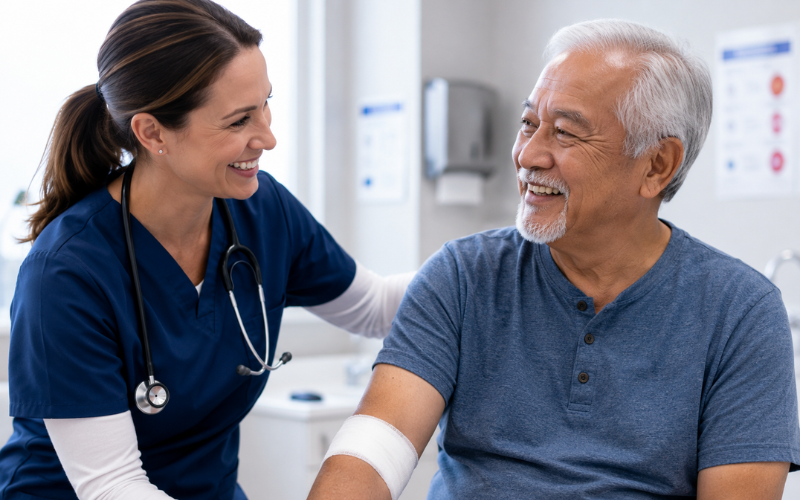
Aging naturally changes the skin’s structure, strength, and ability to heal. While wound healing may slow with age, comprehensive wound care and proactive skin management can significantly improve recovery and quality of life.
Understanding the effects of aging on skin health allows patients and caregivers to take preventive measures, recognize warning signs early, and seek timely treatment when needed.
At Woundology, we are committed to providing advanced wound care solutions designed to support healing at every stage of life.
Related Articles: Diabetic Wound Care: A Complete Guide to Healing and Prevention