

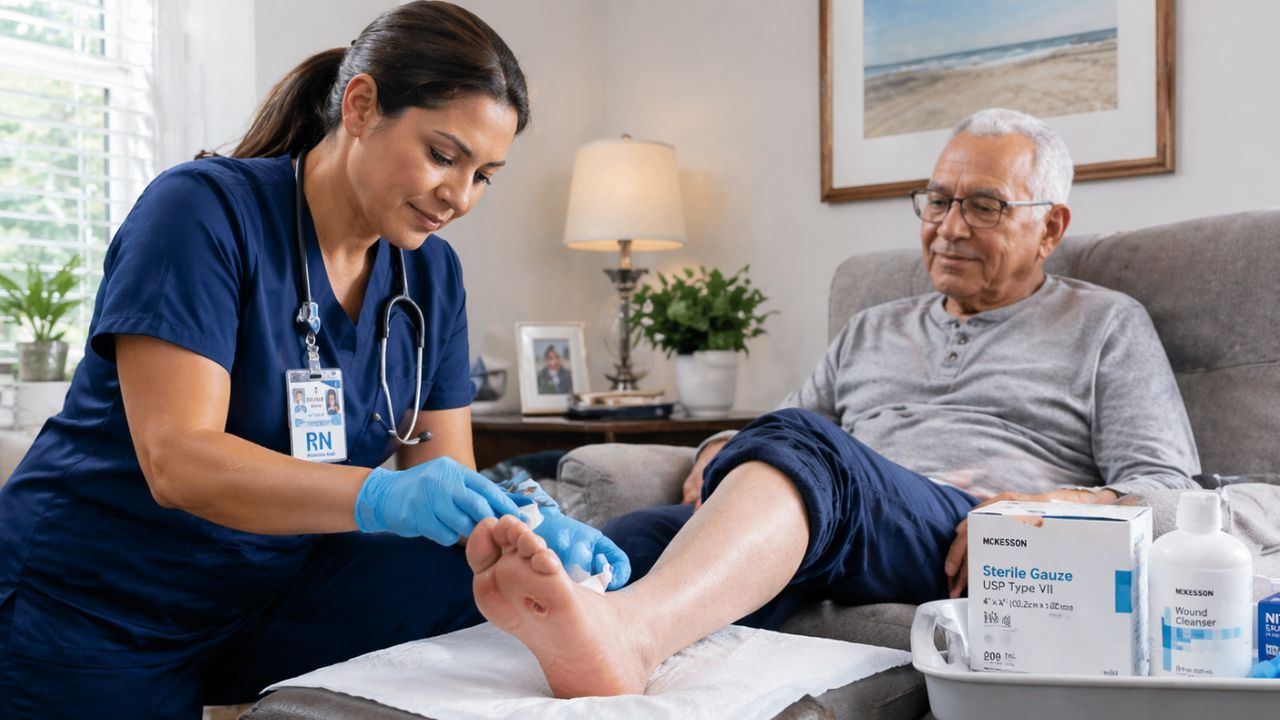
Diabetic wound care is a critical component of managing diabetes, especially for individuals at risk of complications such as foot ulcers, infections, and even amputation. With over 37 million Americans living with diabetes, proper wound care practices are essential to improve healing outcomes and maintain quality of life.

In this guide, we’ll explore everything you need to know about diabetic wound care—from causes and treatment options to prevention strategies backed by clinical best practices.
What Is Diabetic Wound Care?
Diabetic wound care refers to the specialized management of wounds in individuals with diabetes. Due to impaired blood circulation and nerve damage (neuropathy), wounds in diabetic patients tend to heal more slowly and are more prone to infection.
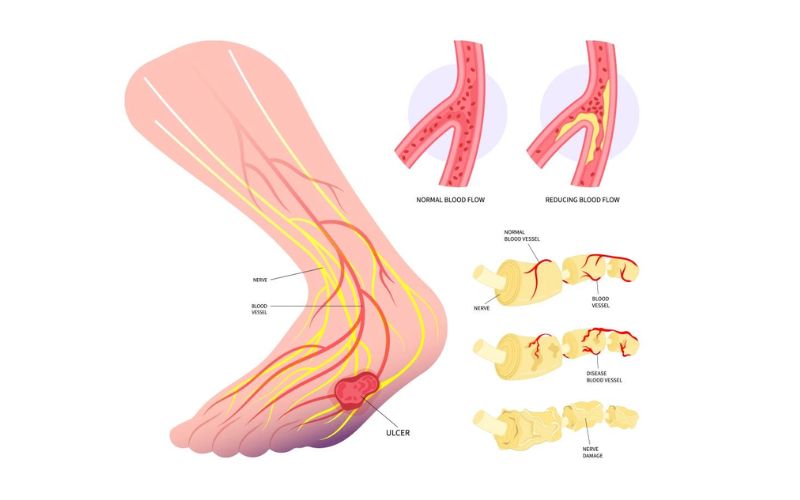
Common types of diabetic wounds include:
- Diabetic foot ulcers
- Pressure sores
- Surgical wounds with delayed healing
- Minor cuts or blisters that worsen over time
Why Are Diabetic Wounds Dangerous?
Diabetes affects the body’s natural healing process in several ways:
1. Poor Circulation: Reduced blood flow limits oxygen and nutrient delivery to the wound.
2. Neuropathy: Loss of sensation means injuries may go unnoticed and untreated.
3. Weakened Immune Response: The body becomes less effective at fighting infections.
4. High Blood Sugar Levels: Elevated glucose impairs white blood cell function and slows tissue repair.
Best Practices for Diabetic Wound Care
1. Clean the Wound Properly
- Use saline solution or mild soap and water
- Avoid harsh antiseptics unless prescribed
2. Keep the Wound Moist: Moist wound environments promote faster healing. Advanced dressings such as hydrocolloids or alginates are often recommended.
3. Apply Appropriate Dressings
Choose dressings based on wound type:
- Foam dressings for exudate control
- Hydrogel for dry wounds
- Antimicrobial dressings for infection risk
4. Monitor for Infection
Watch for signs such as:
- Pus or unusual discharge
- Redness
- Swelling
- Warmth
5. Offloading Pressure
For foot ulcers, reducing pressure is essential:
- Use specialized footwear
- Consider total contact casting
Advanced Treatments in Diabetic Wound Care
Modern wound care centers in the U.S. often use advanced therapies:
- Negative Pressure Wound Therapy (NPWT): Promotes healing by applying controlled suction.
- Hyperbaric Oxygen Therapy (HBOT): Increases oxygen delivery to tissues, accelerating healing.
- Growth Factors and Skin Substitutes: Bioengineered tissues help regenerate damaged skin.
- Debridement: Removal of dead tissue to prevent infection and stimulate healing.
Preventing Diabetic Wounds
Prevention remains the most effective strategy in diabetic wound care. Establishing a consistent daily foot care routine is essential. Patients should inspect their feet every day for cuts, blisters, or early signs of irritation. Proper hygiene is equally important—feet should be washed regularly and dried thoroughly to prevent moisture-related complications. Applying moisturizer can help prevent skin cracking, but it should be avoided between the toes to reduce the risk of fungal infections.
Wearing appropriate footwear also plays a crucial role in prevention. Well-fitted, supportive shoes help minimize pressure points and reduce the likelihood of injury. Patients should avoid walking barefoot, even at home, as this significantly increases the risk of unnoticed wounds.
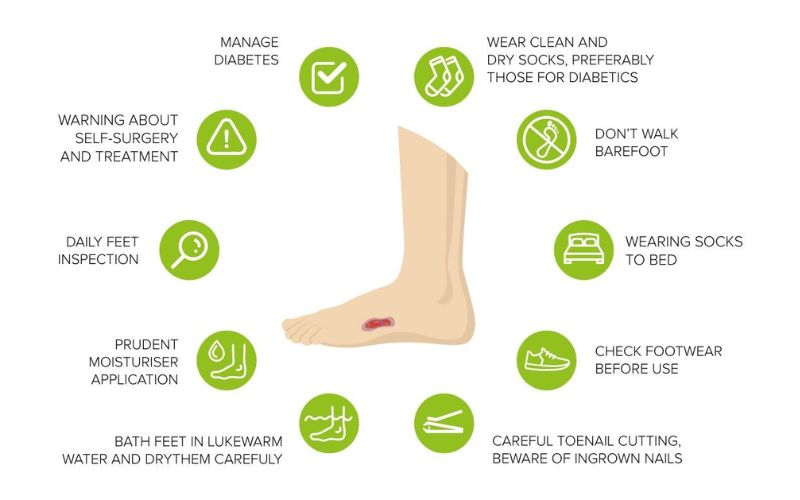
In addition, maintaining optimal blood glucose levels is vital. Stable blood sugar supports the body’s natural healing processes and reduces the risk of infection and delayed wound healing.
Finally, regular medical checkups are key to early detection and prevention. Routine visits to podiatrists and wound care specialists allow for timely intervention, helping to identify potential problems before they develop into serious diabetic wounds.
When to Seek Medical Attention
Seek professional care immediately if:
- A wound does not improve within 48–72 hours
- There are signs of infection
- The wound is deep, large, or exposing tissue
- You have a history of diabetic foot ulcers
The Role of Specialized Wound Care Centers
Professional wound care clinics, such as those aligned with Woundology standards, provide:
- Multidisciplinary care teams
- Advanced diagnostic tools
- Evidence-based treatment protocols
- Personalized care plans
These centers significantly improve healing outcomes and reduce the risk of complications.
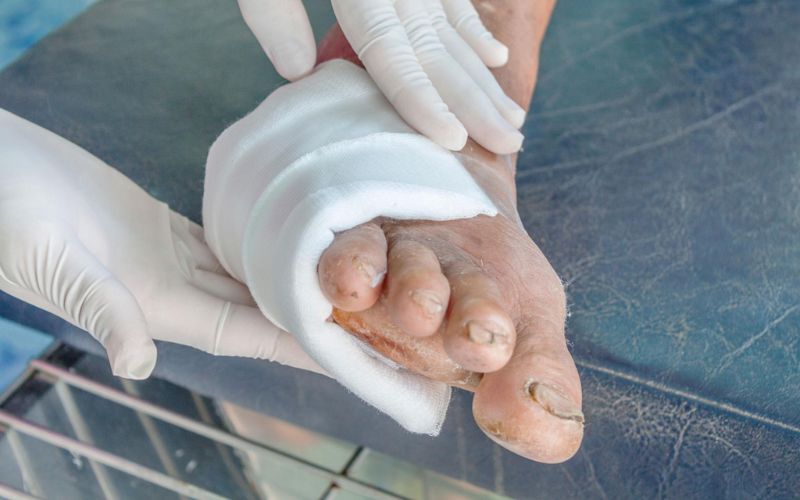
Diabetic wound care requires proactive management, early intervention, and consistent monitoring. By combining proper at-home care with advanced medical treatments, patients can significantly reduce complications and improve healing rates.
If you or a loved one is living with diabetes, prioritizing wound care isn’t optional—it’s essential.
Related Articles: Wound Care: Types, Treatment and Healing Tips