

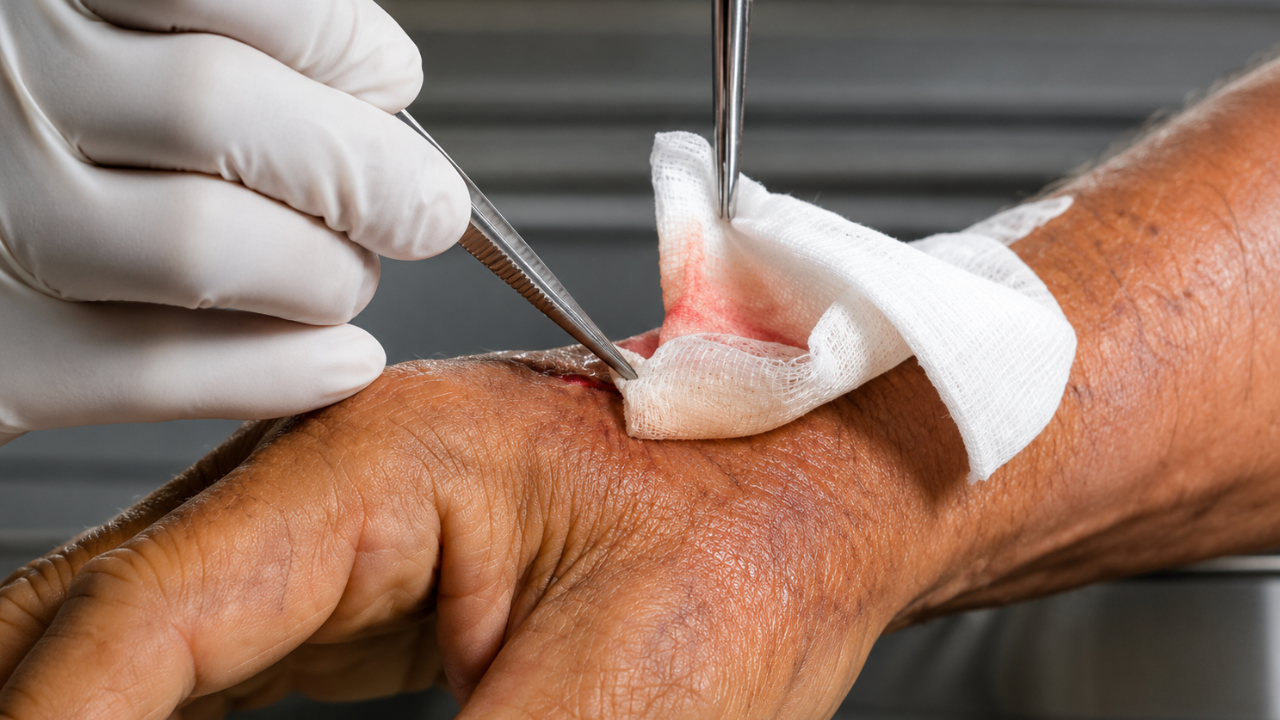
Most people assume that a wound will simply heal on its own with time. While minor cuts and scrapes often recover naturally, many wounds become worse because of small but important mistakes in daily care. Improper cleaning, leaving wounds uncovered, overusing ointments, or delaying professional treatment can interfere with the body’s natural healing response and increase the risk of infection or chronic wounds.
Understanding how wound healing actually works can help patients make better decisions and avoid complications that may lead to prolonged pain, tissue damage, or hospitalization. At Woundology, our team provides advanced mobile wound care designed to support healing safely and effectively in the comfort of your home or care facility.
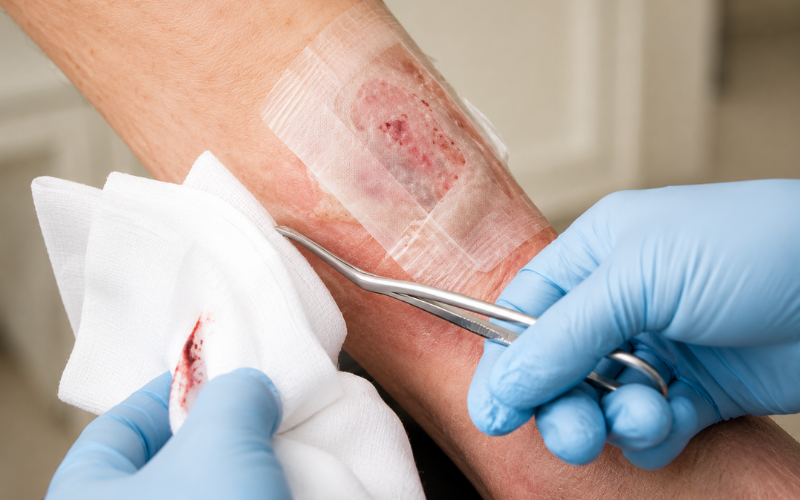
Common Wound Care Mistakes That Delay Healing
Even with good intentions, many people unknowingly create conditions that make wounds heal more slowly. Proper wound management requires consistency, cleanliness, and attention to the body’s overall health.
Not Cleaning the Wound Properly
One of the most common wound care mistakes is inadequate cleaning. Dirt, bacteria, and debris trapped inside the wound can trigger infection and inflammation, making healing significantly more difficult. Gentle cleansing is important to reduce contamination while protecting healthy tissue. Harsh scrubbing or using irritating chemicals may damage new tissue and worsen the wound instead.
Removing Dressings Too Frequently
Many patients repeatedly uncover wounds to “check” whether they are healing. However, wounds generally heal best in a protected, moist environment. Constantly removing dressings exposes the tissue to bacteria and interrupts the delicate healing process. Keeping wounds appropriately covered can help support tissue repair and reduce unnecessary irritation.
Using Too Many Creams or Antibiotics
Applying multiple ointments or excessive antibiotic creams may actually irritate the skin and delay recovery. Some products can trap moisture improperly, block oxygen flow, or damage fragile healing tissue. Effective wound care should always match the type and condition of the wound rather than relying on random over-the-counter treatments.
Ignoring Underlying Health Conditions
Conditions such as diabetes, poor circulation, obesity, smoking, and weakened immune function can dramatically slow wound healing. Chronic wounds are especially common when blood flow and oxygen delivery are impaired. Without addressing these underlying issues, wounds may remain open for weeks or months.
Waiting Too Long to Seek Medical Care
Many wounds appear minor at first but gradually worsen due to infection or poor healing. Delaying treatment can increase the risk of complications such as cellulitis, tissue breakdown, or chronic non-healing ulcers. If a wound becomes increasingly painful, swollen, warm, or produces drainage, professional wound evaluation is important.
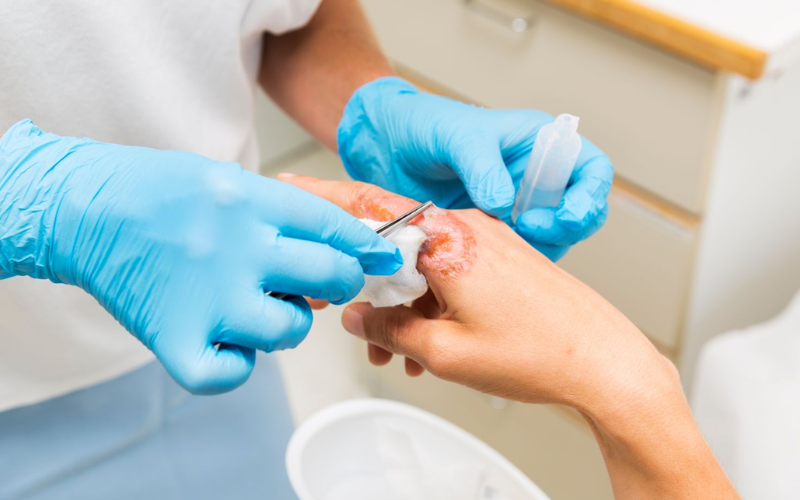
Understanding the Wound Healing Process
The human body follows a highly coordinated biological process to repair damaged tissue. Wound healing occurs in several overlapping stages, each playing a critical role in recovery.
Hemostasis: Stopping the Bleeding
Immediately after injury, the body works to stop blood loss. Blood vessels constrict and platelets form a clot that creates a temporary protective barrier over the wound. This early stage helps stabilize the injury and prepare the tissue for repair.
Inflammation: Cleaning and Protection
Once bleeding is controlled, the immune system begins removing bacteria, damaged cells, and debris. During this phase, mild redness, warmth, and swelling are common signs that the body is actively responding to injury. However, excessive inflammation may indicate infection or delayed healing.
Proliferation: Building New Tissue
The body then starts rebuilding damaged tissue by producing collagen and forming new blood vessels. Healthy oxygen and nutrient delivery are essential during this stage because they help strengthen the wound and support skin regeneration.
Remodeling: Strengthening the Skin
During the final stage, collagen reorganizes and the tissue gradually becomes stronger. Although the wound may appear closed externally, internal healing can continue for weeks or even months depending on the severity of the injury. Scar tissue may also continue to mature over time.
Signs a Wound May Not Be Healing Properly
While some redness and tenderness can be normal, certain symptoms may indicate delayed healing or infection. Patients should monitor wounds carefully and seek medical attention if they notice:
- Increasing redness or swelling
- Persistent or worsening pain
- Foul odor from the wound
- Thick drainage or pus
- Fever or chills
- Darkened tissue around the wound
- Wounds that remain open for weeks
Chronic wounds require specialized treatment to prevent complications and preserve healthy tissue.
When to Seek Specialized Wound Care
A wound that is not improving within a reasonable timeframe should never be ignored. Early intervention is often the key to preventing infection, hospitalization, and long-term complications.
Patients with diabetes, poor circulation, limited mobility, or recurring wounds may especially benefit from specialized wound management. Professional care can help identify the root cause of delayed healing and create a treatment plan that supports long-term recovery.
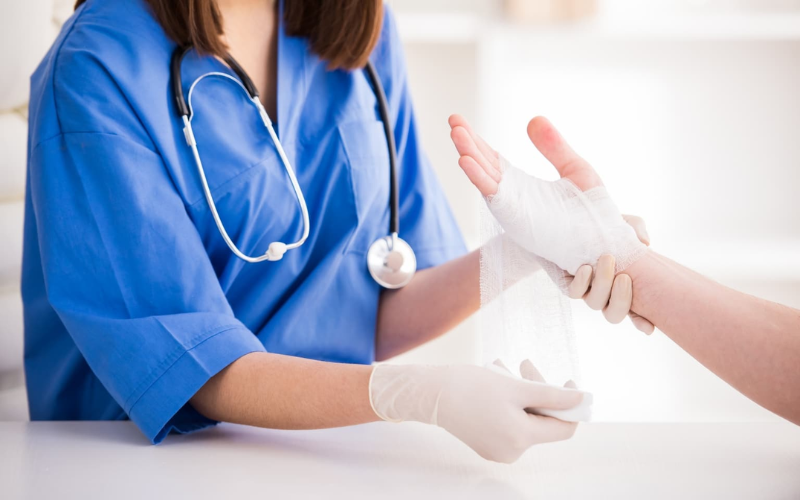
If you or a loved one is struggling with a slow-healing or chronic wound, Woundology can bring expert wound care directly to your location with compassionate, patient-centered support.
Related Articles: Burn Wound Care: Supporting Safe Healing and Preventing Complications