

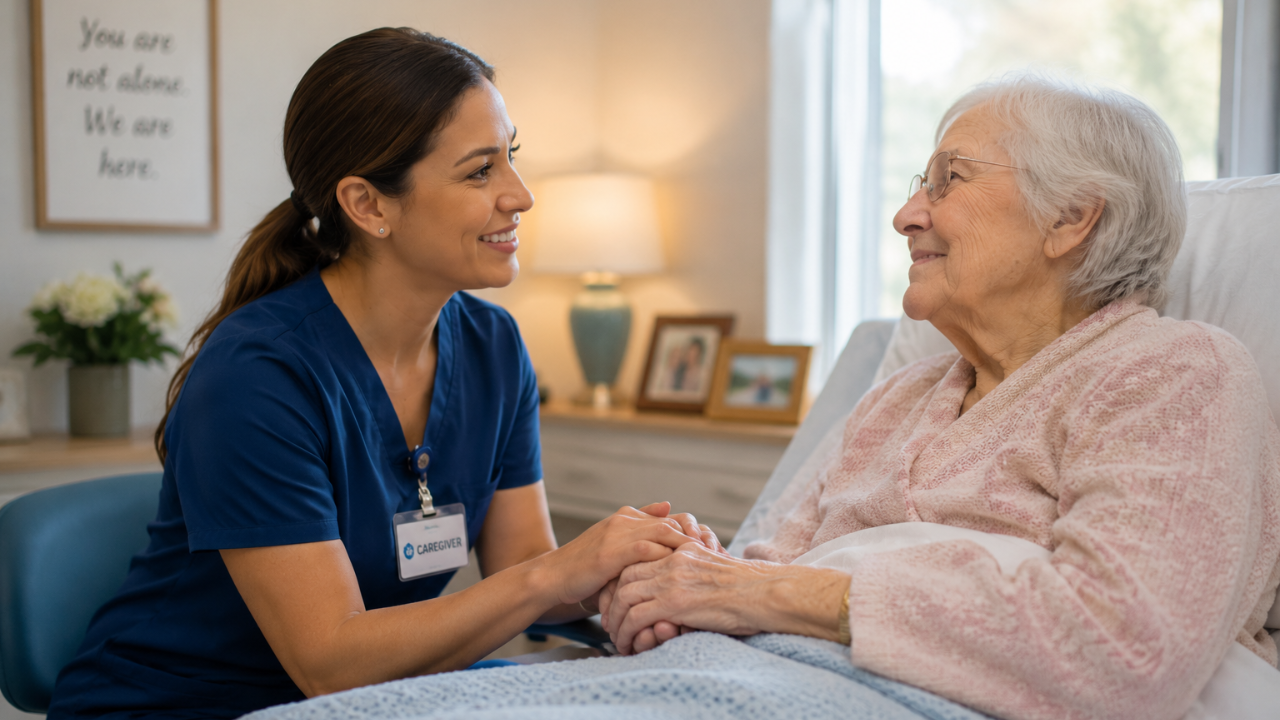
Caring for residents in nursing homes and long-term care facilities goes far beyond routine medical treatment. Many elderly patients face chronic wounds that can significantly impact their comfort, mobility, emotional health, and overall quality of life. These wounds are often slow to heal, highly complex, and require ongoing attention from experienced wound care professionals.
At Woundology, we believe wound care should be both clinically advanced and deeply compassionate. Through personalized treatment plans and mobile wound care services, our team helps patients receive specialized care directly in nursing homes, assisted living facilities, and even in the comfort of their own homes.
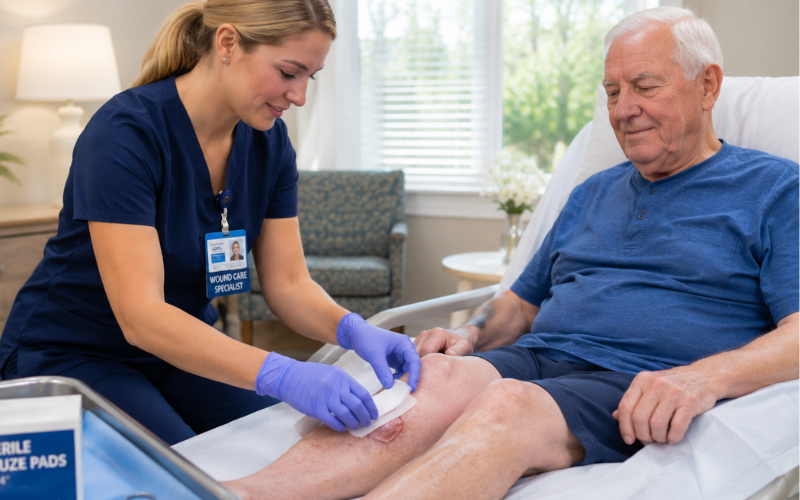
Understanding Chronic Wounds in Elderly Residents
Chronic wounds are wounds that fail to heal through the normal stages of recovery within an expected timeframe. Unlike acute injuries, chronic wounds remain in a prolonged inflammatory state and are often associated with underlying health conditions. Common chronic wounds seen in long-term care settings include:
- Pressure ulcers (bedsores)
- Diabetic foot ulcers
- Venous leg ulcers
- Arterial ulcers
- Surgical wounds with delayed healing
- Skin tears and traumatic wounds
Older adults are especially vulnerable due to reduced mobility, poor circulation, weakened immune systems, diabetes, malnutrition, and fragile skin. Studies also show that limited mobility and diabetes are among the strongest predictors of chronic wounds in nursing home residents.
Why Chronic Wounds Are So Common in Nursing Homes
Many nursing home residents live with multiple chronic conditions that make healing more difficult. Immobility is one of the leading causes of pressure injuries because prolonged pressure reduces blood flow to vulnerable areas of the body. Residents who spend extended periods in bed or wheelchairs are particularly at risk.
Other contributing factors include:
- Diabetes and poor blood sugar control
- Peripheral vascular disease
- Incontinence and moisture-associated skin damage
- Malnutrition and dehydration
- Cognitive decline
- Reduced sensation or neuropathy
- Poor circulation and edema
Without proper intervention, even small wounds can rapidly progress into severe infections or non-healing ulcers.
Prevention Is the Foundation of Effective Wound Care
Preventing wounds before they develop is one of the most important goals in long-term care. Consistent prevention strategies can significantly reduce complications, hospitalizations, and healthcare costs.
Key Prevention Strategies Include:
Routine Repositioning: Residents with limited mobility should be repositioned regularly to relieve pressure on vulnerable areas such as the heels, hips, sacrum, and elbows.
Daily Skin Assessments: Frequent skin checks help caregivers identify redness, discoloration, swelling, or early tissue breakdown before wounds worsen.
Nutritional Support: Adequate protein intake, hydration, zinc, and vitamins are essential for maintaining skin integrity and supporting healing. Research consistently highlights nutrition as a critical factor in wound prevention and recovery.
Pressure Redistribution: Specialized mattresses, cushions, and offloading devices help minimize prolonged pressure and friction.
Infection Prevention: Proper hygiene, dressing changes, and handwashing protocols are essential to reducing infection risk in vulnerable patients.
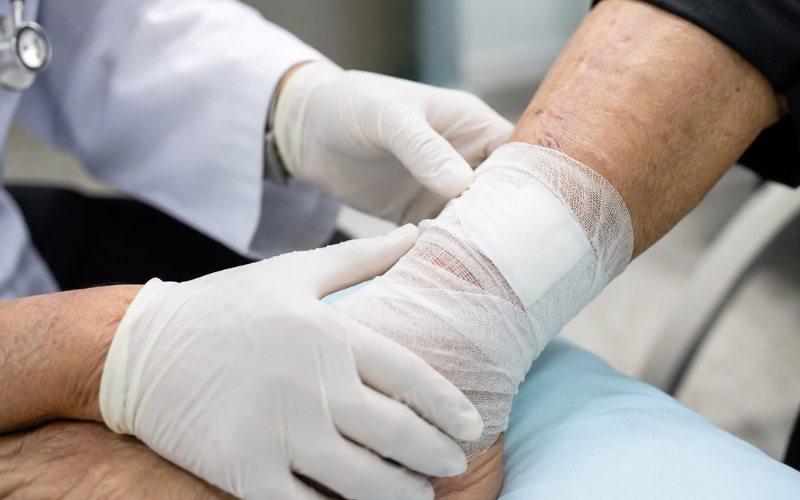
Early Detection Can Prevent Serious Complications
One of the biggest challenges in wound care is identifying issues before they become severe. Early-stage wounds may appear as mild redness, warmth, tenderness, or skin discoloration. In elderly residents with fragile skin, these symptoms can quickly progress if left untreated.
Regular wound assessments performed by trained clinicians are critical. Early intervention not only improves healing outcomes but can also prevent avoidable hospital admissions and serious infections.
At Woundology, our providers perform comprehensive wound evaluations directly at the patient’s bedside, ensuring timely treatment and continuity of care.
Bringing Specialized Wound Care Directly to Patients
Transportation barriers and limited mobility can make it difficult for elderly patients to access specialized wound care clinics. That’s why mobile wound care services are becoming increasingly important in modern healthcare.
Woundology provides advanced mobile wound care services for patients in:
- Skilled nursing facilities (SNFs)
- Nursing homes
- Assisted living communities
- Rehabilitation centers
- Private homes
Our experienced wound care providers travel directly to patients, delivering personalized treatment plans, ongoing monitoring, and collaborative care with facility staff and primary care teams.
This approach improves convenience, continuity of care, patient comfort, and healing outcomes — especially for elderly individuals with mobility limitations.
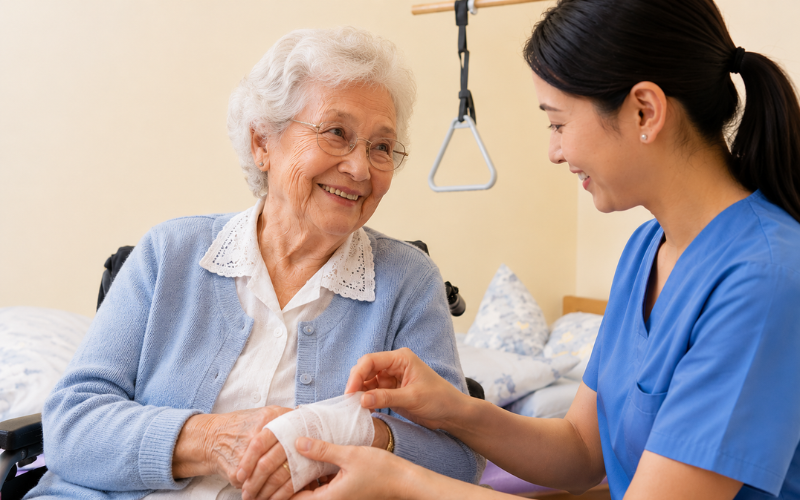
Managing chronic wounds in nursing home residents requires more than standard medical treatment. It demands compassion, consistency, clinical expertise, and a proactive approach focused on prevention and whole-person care.
As the elderly population continues to grow, access to specialized wound care services will become increasingly important for improving quality of life and reducing complications in long-term care settings.
At Woundology, we are committed to delivering expert mobile wound care services directly to patients wherever they call home — because every patient deserves healing, dignity, and compassionate care.
Related Articles: Wound Care for Residents with Cancer