

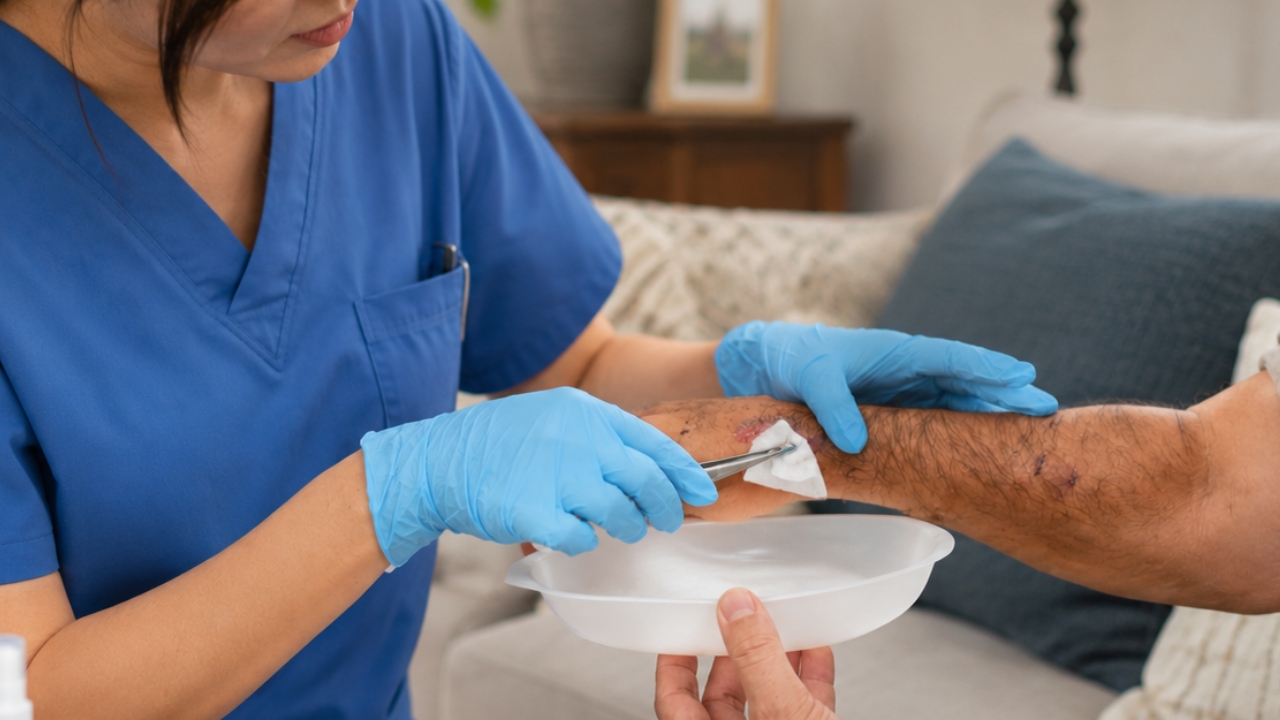
An open wound can happen anytime—whether from a fall, a kitchen accident, surgery, or a chronic health condition. While some wounds heal naturally with basic first aid, others can quickly become infected or turn into long-term complications if they aren’t treated properly.
According to wound care specialists, proper open wound care is essential for preventing infection, promoting faster healing, and reducing the risk of scarring and complications.
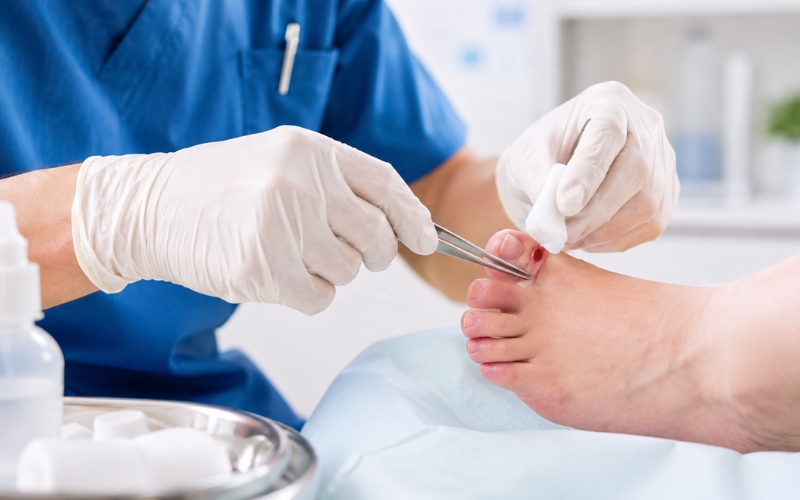
What Is an Open Wound?
An open wound is an injury that breaks the skin and exposes the underlying tissue. Common types of open wounds include:
- Cuts and lacerations
- Abrasions and scrapes
- Puncture wounds
- Surgical wounds
- Diabetic ulcers
- Pressure injuries
- Traumatic wounds
Although some wounds may appear minor, they can still become infected if not cleaned and monitored properly.
First Aid Steps for an Open Wound
Providing immediate first aid for an open wound can help control bleeding, reduce the risk of excessive blood loss, and prevent serious complications. Proper first aid also supports breathing and circulation while minimizing the risk of infection.
Experts recommend following these essential steps:
1. Wash Your Hands
Before touching the wound, wash your hands thoroughly with soap and water or use an alcohol-based hand sanitizer. This simple step helps prevent bacteria and other contaminants from entering the wound.
If available, wear disposable medical gloves to avoid direct contact with blood and bodily fluids.
2. Stop the Bleeding
The appropriate method for controlling bleeding depends on the type and severity of the injury. First aid should always be performed carefully to avoid further tissue damage or contamination.
Common techniques used to stop bleeding include:
- Applying direct pressure with sterile gauze or a clean cloth
- Using pressure bandages
- Elevating the injured area when appropriate
- Applying pressure to specific arteries in severe cases
Seek emergency medical attention if the bleeding is heavy or does not stop after several minutes.
3. Clean the Wound
Gently rinse the wound with clean water or saline solution to remove dirt, debris, and contaminants. Carefully pat the area dry with a clean cloth or sterile gauze.
If the injury involves an object embedded deep in the skin or bone, do not attempt to remove it. Instead, seek immediate medical attention, as improper removal can worsen the injury and increase the risk of severe bleeding.
4. Apply an Antibiotic Ointment
For minor cuts and scrapes, applying a thin layer of antibiotic cream or ointment may help keep the wound moist and lower the risk of infection.
However, some individuals may experience skin irritation or allergic reactions. Always follow your healthcare provider’s recommendations and discontinue use if irritation develops.
5. Cover the Wound
Once the bleeding has been controlled, cover the wound with a sterile dressing or bandage to keep it clean and protected.
Avoid wrapping the bandage too tightly, as this may restrict blood circulation and cause discomfort.
6. Change the Dressing Regularly
Wound dressings should be changed daily or whenever they become wet, dirty, or loose.
If your healthcare provider has prescribed medication or specialized dressings, apply them as directed during each dressing change.
7. Monitor the Wound Closely
Even after the initial treatment, continued monitoring is an essential part of effective open wound care.
Seek medical attention immediately if you notice signs of infection, including:
- Redness or swelling that worsens
- Increasing pain
- Delayed healing
- Pus or unusual drainage
- Foul odor
- Warmth around the wound
- Fever or other signs of systemic infection
Early intervention can prevent complications and significantly improve healing outcomes.
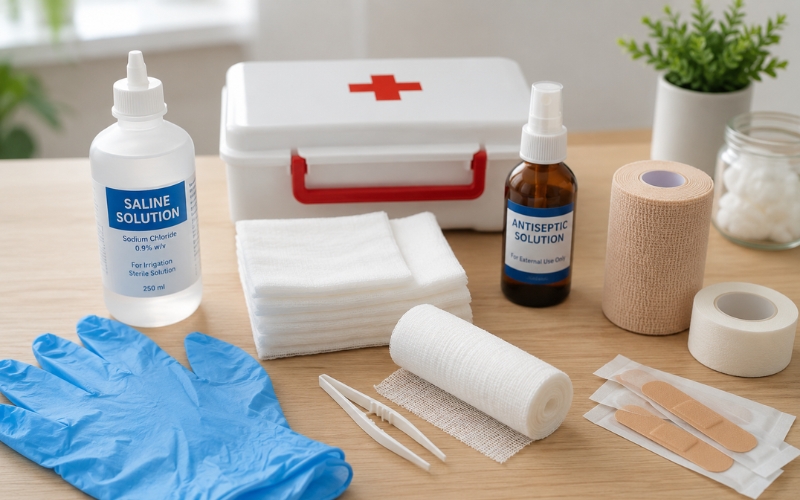
How to Tell If an Open Wound Is Infected
Even with proper first aid, an open wound can become infected if it is not treated and monitored correctly. Recognizing the early signs of infection is critical, as prompt treatment can prevent serious complications and support faster healing.
Watch for the following warning signs:
- Yellow or Green Drainage: An infected wound may produce yellow, green, or thick drainage that can be accompanied by pus and an unpleasant odor. This often indicates bacterial growth and should not be ignored.
- Increased Pain, Swelling, and Redness: Pain that becomes more intense, along with noticeable swelling and redness around the wound, may signal an infection. In many cases, the affected area may also feel warm to the touch.
- The Wound Appears Larger: If the wound begins to expand or the redness spreads beyond the original injury site, it may indicate that the infection is progressing into the surrounding tissue.
- Persistent Pain That Doesn’t Improve: Discomfort from a minor wound should gradually improve over time. If the pain continues to worsen or does not respond to basic home care measures, seek medical evaluation.
- Fatigue and Fever: As an infection becomes more severe, the body may begin to respond systemically. Symptoms such as fatigue, weakness, chills, or fever can indicate that the infection is spreading and requires immediate medical attention.
How to Treat an Infected Open Wound
An infected open wound that is not treated promptly can lead to serious complications and dangerous consequences, the most severe being tissue necrosis. Therefore, if you notice signs of infection, it is important to provide immediate first aid and seek medical attention as soon as possible so that qualified healthcare professionals can provide appropriate treatment.
Depending on the condition and location of the wound, the patient’s physical condition and overall health, as well as how long the wound has been present, different treatment approaches may be recommended.
- If the wound is mildly red and swollen, clean it with saline solution three times a day, soaking or irrigating the area for about 15 minutes each time. Afterward, gently pat the area dry with sterile cotton or gauze.
- If the wound has been stitched, avoid soaking it in water, as this may increase the risk of infection.
- When necessary, a healthcare provider may prescribe medications to treat the infection, including antibiotics, pain relievers, or anti-inflammatory medications.
- For severe wound infections, surgery may be required to thoroughly clean the wound or remove infected and nonviable tissue that cannot be saved.
- If swelling, pus, or foul-smelling drainage develops, the doctor may perform a drainage procedure to remove the accumulated pus and help the wound heal properly.
Prompt treatment is essential to prevent the infection from worsening and to support optimal wound healing. If you suspect that an open wound has become infected, seek professional medical care immediately.
When to Seek Professional Wound Care
If you notice any of these symptoms, seek medical attention promptly. Left untreated, an infected wound can lead to serious complications and prolonged healing.
At Woundology, our experienced wound care specialists provide comprehensive open wound care services across Southern California, offering personalized treatment plans designed to accelerate healing and improve patient outcomes.
Woundology’s mobile wound care services, please call (714) 643-5818. Referrals may be faxed to (714) 462-3074 or emailed to referral@woundologyclinic.com .
Our mobile wound care specialists provide advanced wound treatment services in homes, skilled nursing facilities (SNFs), assisted living communities, hospice, and home health settings throughout Southern California.