

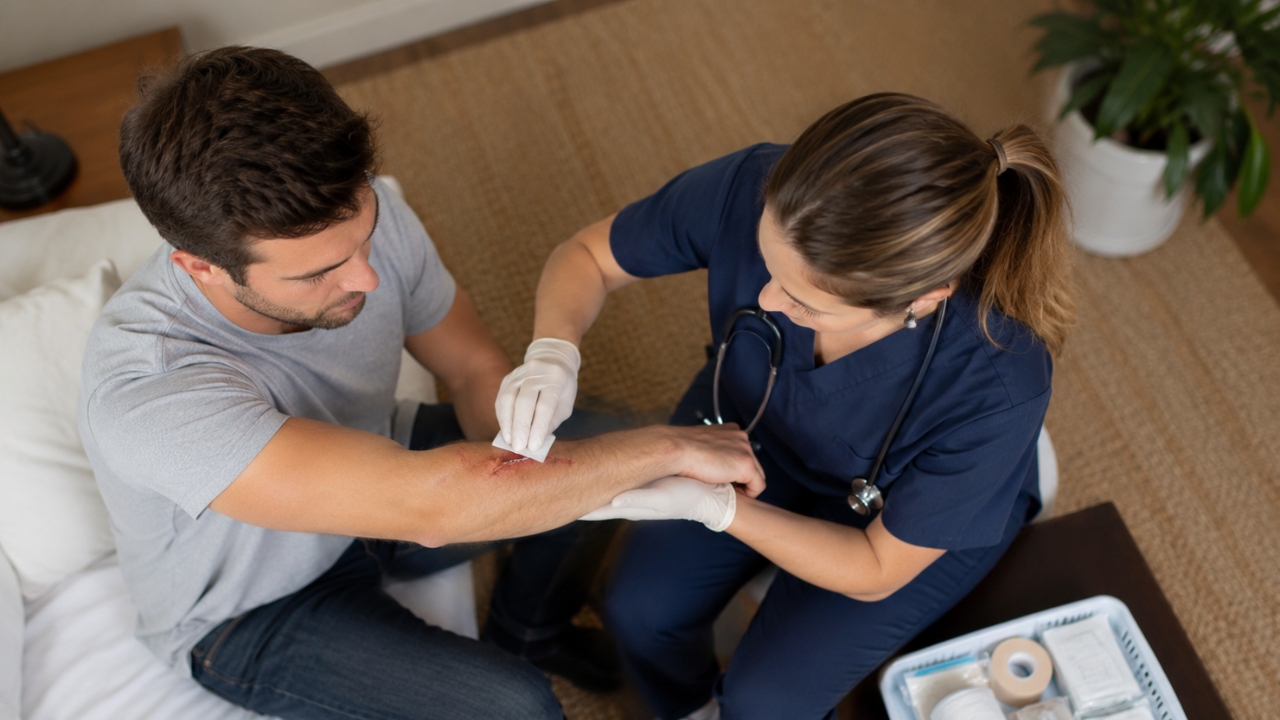
Slow-healing wounds carry a significantly higher risk of infection and other serious complications. To promote faster healing, it’s essential to combine proper wound care with adequate nutrition that supports tissue repair and the regeneration of healthy new cells. Understanding how to heal wounds faster starts with taking the right steps early and giving your body the support it needs to recover effectively.
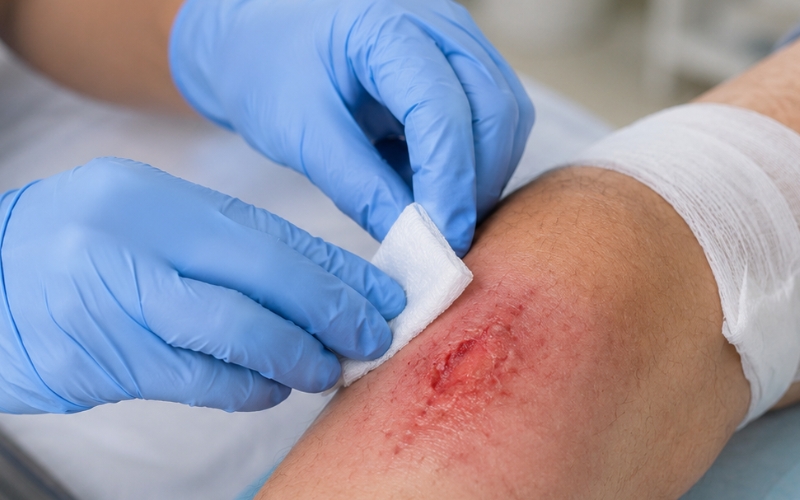
How Does the Wound Healing Process Work?
When the skin is injured, the body immediately begins repairing the damaged tissue. Blood clots form to stop bleeding and create a protective barrier over the wound. The speed of healing depends on several factors, including the type of wound, its severity, and how well it is cared for.
Wound healing typically occurs in three stages:
1. Inflammatory Phase: The body stops bleeding and fights bacteria to prevent infection.
2. Proliferative Phase: New tissue and blood vessels develop to fill the wound and repair damaged skin.
3. Remodeling Phase: The skin strengthens and matures until the wound is fully healed and a scar forms.
How to Heal Wounds Faster: Expert Tips for Faster Recovery
Nutrition Tips to Help Wounds Heal Faster
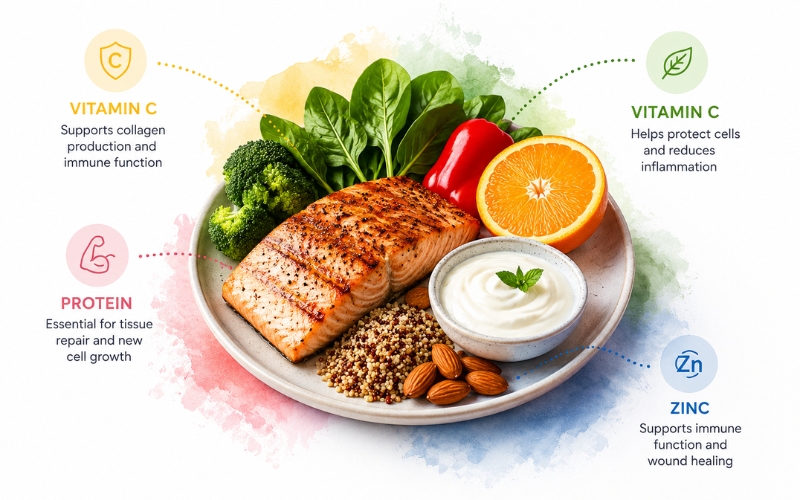
Faster wound healing requires both proper wound care and good nutrition. The right nutrients help repair damaged tissue, support immune function, and promote the growth of healthy new cells.
Vitamin C
Vitamin C plays an essential role in collagen production and tissue repair. Foods rich in vitamin C include oranges, lemons, strawberries, bell peppers, broccoli, and guava.
Zinc
Zinc supports cell growth and helps the body repair damaged tissue more efficiently. Good sources of zinc include lean meats, seafood, beans, nuts, and seeds.
Protein
Protein is one of the most important nutrients for wound healing, especially after surgery or severe injuries. It helps rebuild tissue and supports new cell growth. Aim to include protein-rich foods such as chicken, fish, eggs, dairy products, beans, and lean meats in every meal.
Vitamins A and K
Vitamin A supports collagen production and helps regulate inflammation, while vitamin K plays a key role in blood clotting during the early stages of healing. These vitamins can be found in leafy green vegetables, carrots, sweet potatoes, broccoli, and dairy products.
Copper and Iron
Copper and iron help produce collagen and transport oxygen to healing tissues. A deficiency in either nutrient may delay recovery. Foods rich in these minerals include spinach, beans, potatoes, tomatoes, mushrooms, nuts, and lean red meat.
A balanced, nutrient-rich diet can significantly improve the body’s natural healing process and is an important part of learning how to heal wounds faster.
Home Remedies That May Support Wound Healing
In addition to proper wound care and a healthy diet, some natural remedies may help soothe minor skin injuries. However, they should never replace professional medical treatment for deep, infected, or chronic wounds.
Aloe Vera
Aloe vera contains vitamins, minerals, and compounds that may help soothe irritated skin and support the healing of minor burns and superficial wounds. Apply a thin layer of pure aloe vera gel to clean, unbroken skin or minor burns.
Apple Cider Vinegar
Although apple cider vinegar is often used as a home remedy because of its antimicrobial properties, it should not be applied directly to open wounds, as it may irritate damaged tissue and delay healing. Always consult a healthcare professional before using alternative remedies on a wound.
Tea Tree Oil
Tea tree oil has natural anti-inflammatory and antimicrobial properties. However, it should be diluted and used with caution, as applying essential oils directly to an open wound can cause skin irritation.
Turmeric
Turmeric contains curcumin, a compound known for its anti-inflammatory and antioxidant effects. While turmeric may support overall health, there is limited evidence to support applying turmeric directly to open wounds.
Most minor cuts and scrapes heal with proper cleaning and protection. However, if a wound becomes increasingly painful, shows signs of infection, or does not improve within a few weeks, seek professional medical care promptly.
The home remedies and self-care tips above are intended only for minor cuts, scrapes, and superficial wounds. If you have a deep wound, severe burn, diabetic ulcer, or notice signs of infection—such as increasing redness, swelling, drainage, fever, or worsening pain—seek medical attention as soon as possible. Early treatment can help prevent complications and support better healing outcomes.
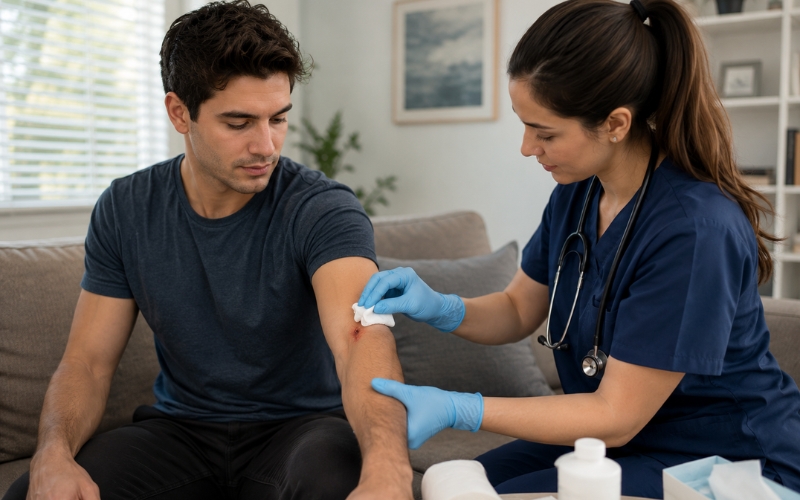
At Woundology, we specialize in advanced wound care for patients with chronic and non-healing wounds. Our experienced team provides personalized, evidence-based treatment through convenient Mobile Wound Care Services, bringing expert care directly to patients in their homes, assisted living communities, and skilled nursing facilities throughout Southern California. From comprehensive wound assessments and advanced dressings to infection management and specialized therapies, Woundology is committed to helping patients heal safely and recover faster.
Woundology’s mobile wound care services, please call (714) 643-5818. Referrals may be faxed to (714) 462-3074 or emailed to referral@woundologyclinic.com .
Our mobile wound care specialists provide advanced wound treatment services in homes, skilled nursing facilities (SNFs), assisted living communities, hospice, and home health settings throughout Southern California.