

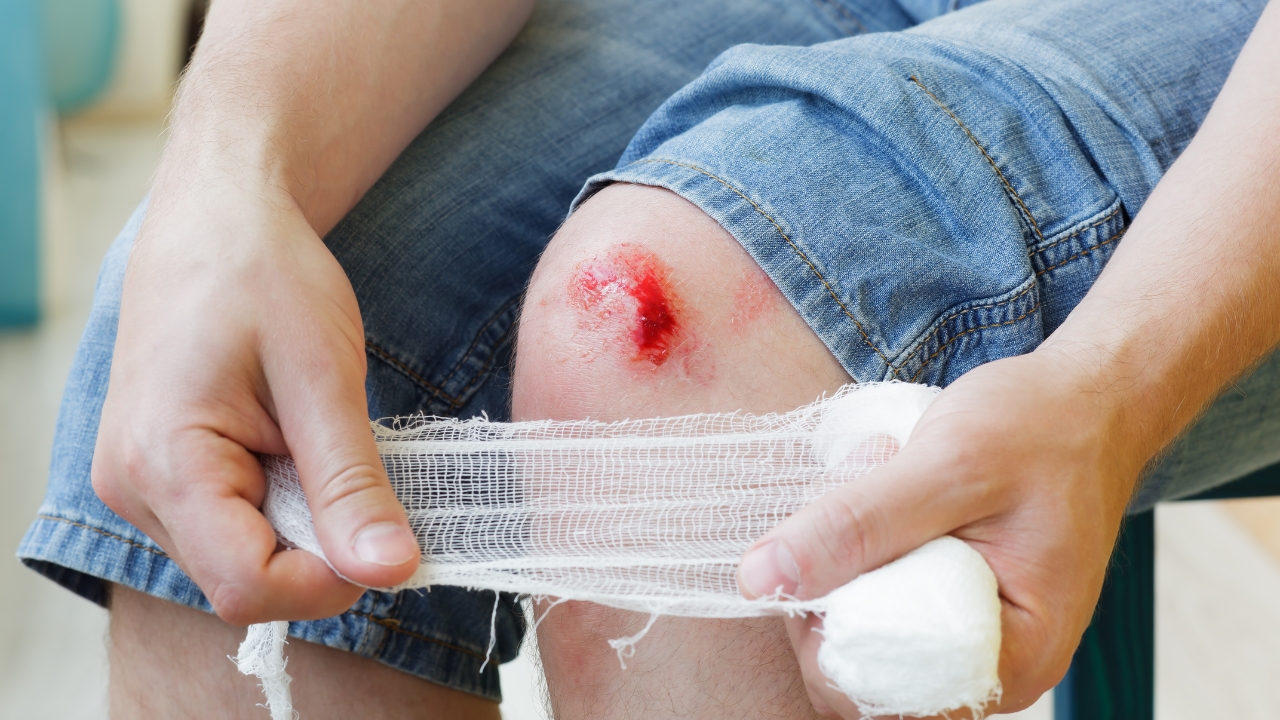
Open wounds caused by burns, accidents, cuts, abrasions, or surgical procedures can quickly become vulnerable to bacterial contamination if not treated properly. Without timely and appropriate care, even a minor wound may develop into a serious infection, leading to delayed healing, increased medical costs, and potential health complications. Understanding the fundamentals of wound care at home is essential for protecting the wound, preventing infection, and supporting a faster recovery. By following proper wound care practices and recognizing when professional intervention is needed, you can help ensure optimal healing while saving both time and healthcare expenses.

What Is an Open Wound and Why Is It More Susceptible to Infection?
An open wound is any injury that breaks the skin and exposes the underlying tissue. These wounds can range from minor cuts and scrapes to deeper lacerations, burns, surgical incisions, and traumatic injuries caused by accidents, sports activities, or everyday incidents.
Under normal circumstances, the skin acts as the body’s first line of defense against bacteria, viruses, and other harmful microorganisms. When the skin is damaged, this protective barrier is compromised, creating a direct pathway for germs, dirt, and contaminants to enter the wound.
As a result, open wounds are particularly vulnerable to infection. Without proper wound care at home, bacteria can multiply within the wound bed, causing inflammation, delayed healing, tissue damage, and potentially serious health complications. Timely cleaning, dressing, and monitoring are essential to support healing and reduce the risk of infection.
Signs of an Infected Open Wound
Recognizing the early signs of infection is critical for preventing complications and ensuring appropriate treatment. An infected wound may display one or more of the following symptoms:
Redness, Swelling, and Increasing Pain
It is normal for a wound to appear slightly red and swollen during the initial stages of healing. However, if the redness spreads, swelling worsens, or the pain becomes more intense over time rather than improving, these may be warning signs of infection.
Excessive Drainage or Unpleasant Odor
Healthy wounds may produce a small amount of clear fluid during healing. However, infected wounds often begin to drain excessive amounts of fluid, pus, or thick discharge. A foul or unpleasant odor coming from the wound is another common indicator of bacterial infection.
Fatigue, Malaise, or Fever
As the body responds to infection, patients may experience general fatigue, weakness, chills, or fever. These systemic symptoms suggest that the infection may be progressing beyond the wound itself and require prompt medical evaluation.
Other Warning Signs
Additional symptoms of wound infection may include:
- Persistent or recurring bleeding
- Yellow, green, or brown tissue buildup within the wound
- Development of necrotic (dead) tissue
- Delayed or stalled wound healing
- Increased warmth around the wound
- Red streaks extending from the wound site
Important: If you notice any of these signs, seek professional medical attention as soon as possible. Early intervention can help prevent serious complications and improve healing outcomes. For individuals with diabetes, poor circulation, or chronic wounds, prompt evaluation by a wound care specialist is especially important.
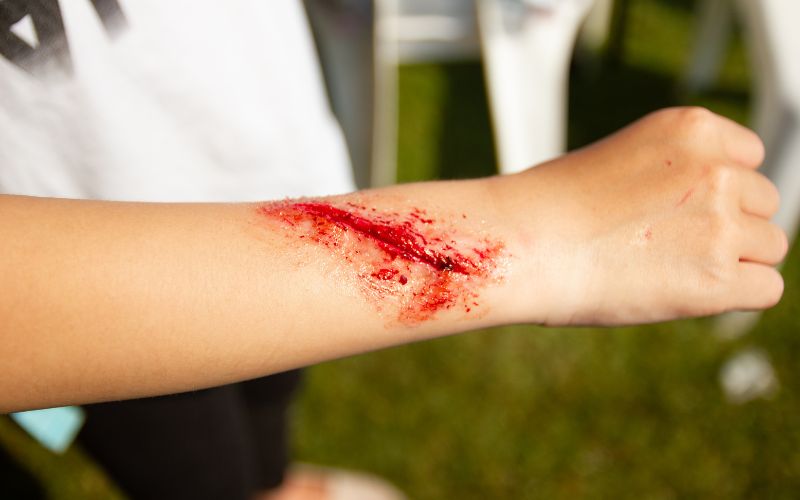
Steps for Proper Open Wound Care at Home to Help Prevent Infection
Because wound infections can lead to significant health complications, longer recovery times, and increased medical expenses, taking proactive measures to prevent infection is essential. One of the most effective ways to reduce the risk of complications is to properly clean and care for an open wound as soon as possible.
Appropriate wound care at home not only helps minimize bacterial contamination but also creates an optimal environment for healing, allowing the wound to recover more quickly and efficiently.
Step 1: Wash Your Hands Thoroughly
Before touching or treating any wound, wash your hands carefully with soap and water or use an alcohol-based hand sanitizer. This simple but critical step helps prevent the transfer of bacteria and other harmful microorganisms into the wound.
Whenever possible, wear disposable medical gloves while performing wound care to provide an additional layer of protection for both the patient and the caregiver.
Step 2: Clean the Wound Carefully
Once your hands are clean, gently rinse the wound using sterile saline solution or an appropriate wound cleansing solution. Proper cleansing helps remove dirt, debris, bacteria, and other contaminants that may increase the risk of infection.
After irrigating the wound:
- Carefully inspect the area for visible debris or foreign material.
- Use sterile gauze to gently blot and clean the wound bed.
- Avoid scrubbing aggressively, as this can damage newly forming tissue and delay healing.
Maintaining a clean wound environment is one of the most important components of successful wound care at home.
Step 3: Protect the Wound with a Clean Dressing
After cleansing, apply an appropriate sterile dressing to protect the wound from external contaminants and maintain a moist healing environment.
Depending on the type and severity of the wound, dressings may include:
- Sterile gauze
- Foam dressings
- Hydrocolloid dressings
- Antimicrobial wound dressings
The dressing should be changed according to healthcare recommendations or whenever it becomes wet, dirty, or loose.
Step 4: Monitor the Wound Daily
Regular observation allows you to identify potential complications before they become severe. During daily dressing changes, check for signs such as:
- Increased redness or swelling
- Excessive drainage
- Unpleasant odor
- Increased pain
- Delayed healing
Early detection of these symptoms can help prevent minor issues from developing into serious infections.
Important Safety Precautions
If a foreign object such as glass, metal, wood, or another sharp object is deeply embedded in the skin, muscle, or bone, do not attempt to remove it yourself. Removing deeply lodged objects can cause additional tissue damage, severe bleeding, or worsen the injury.
Instead, stabilize the area as much as possible and seek immediate medical attention. Trained healthcare professionals have the appropriate tools and expertise to safely remove foreign bodies and properly treat the wound.
When in doubt, seek professional care. Deep wounds, heavily contaminated injuries, burns, diabetic wounds, and wounds that show signs of infection should be evaluated by a wound care specialist as soon as possible.
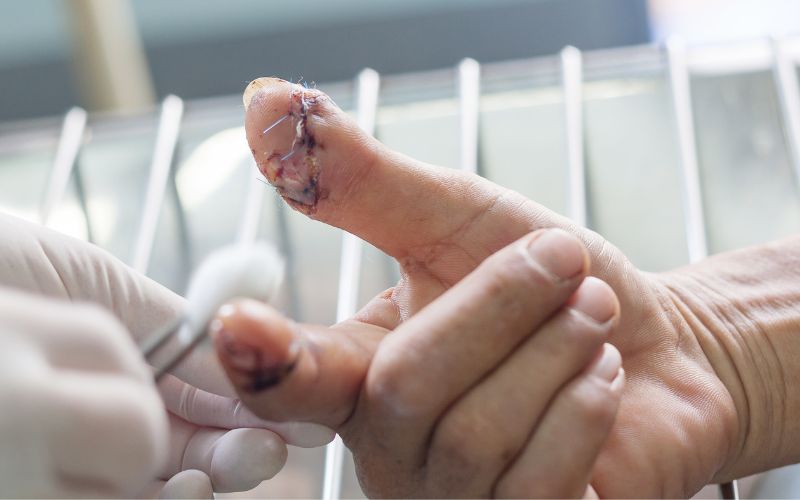
When Professional Wound Care Is Needed
While many minor wounds can be managed with proper wound care at home, some injuries require advanced treatment and ongoing monitoring. Woundology’s Mobile Wound Care Services provide expert wound assessments, advanced dressing management, infection prevention strategies, and personalized treatment plans delivered directly to patients throughout Southern California.
Our mobile wound care team serves patients across Los Angeles County, Orange County, Riverside County, San Bernardino County, and San Diego County, helping individuals receive specialized wound care in the comfort and convenience of their own homes.
Woundology’s mobile wound care services, please call (714) 643-5818. Referrals may be faxed to (714) 462-3074 or emailed to referral@woundologyclinic.com .
Our mobile wound care specialists provide advanced wound treatment services in homes, skilled nursing facilities (SNFs), assisted living communities, hospice, and home health settings throughout Southern California.