

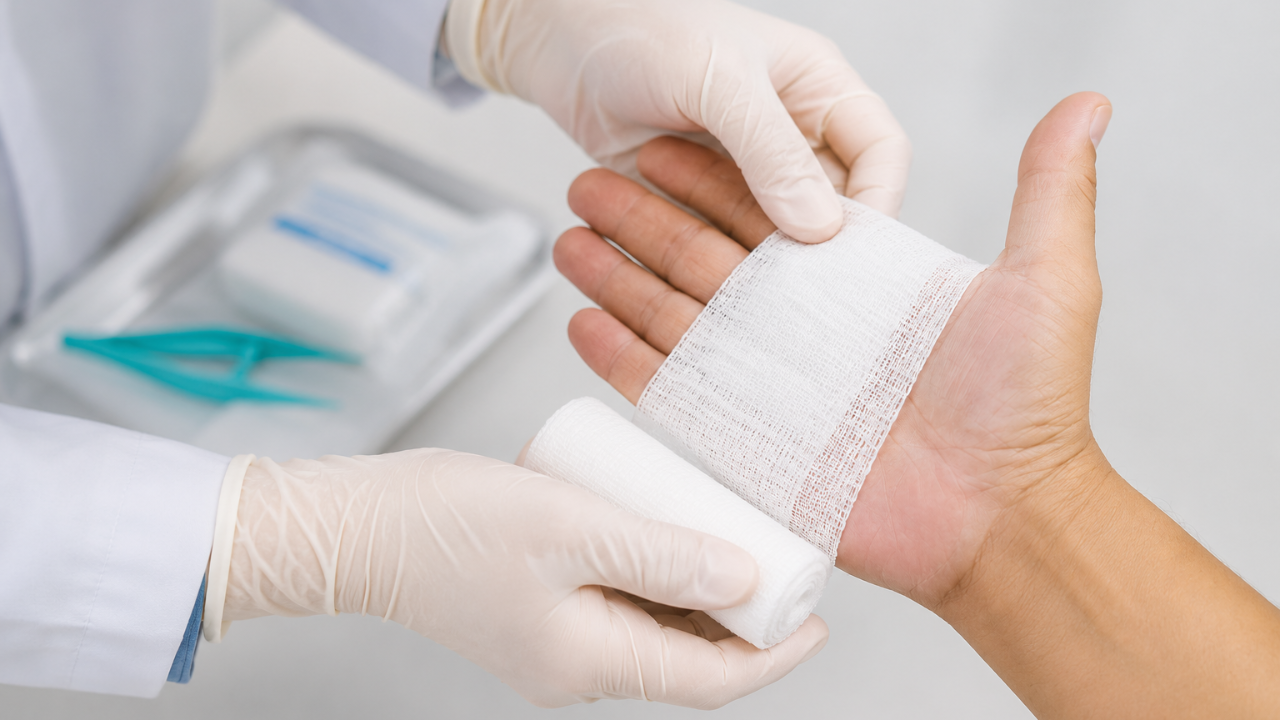
Wound healing is more than simply covering an injury with a bandage. Proper wound management plays a critical role in preventing infection, reducing complications, minimizing pain, and supporting the body’s natural healing process. Whether a wound is caused by surgery, diabetes, pressure injuries, trauma, or vascular disease, timely and effective care can significantly improve recovery outcomes.
At Woundology, we believe wound care should be proactive, patient-centered, and evidence-based. From early assessment to advanced treatment strategies, comprehensive wound management helps patients heal faster, avoid hospitalization, and improve their quality of life.
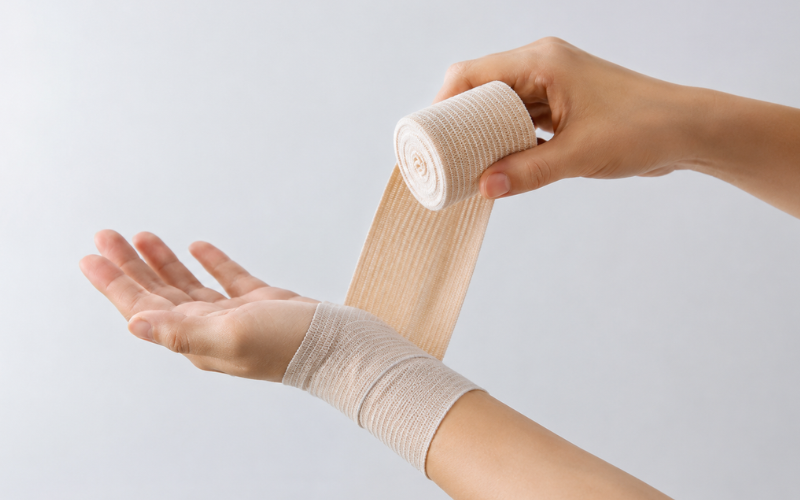
What Is Wound Management?
Wound management refers to the clinical process of assessing, treating, and monitoring wounds to promote optimal healing while preventing complications such as infection or tissue deterioration. This includes:
- Wound assessment
- Cleaning and debridement
- Infection prevention
- Moisture balance management
- Dressing selection
- Pain management
- Monitoring healing progress
- Addressing underlying causes
Effective wound management is essential for both acute and chronic wounds. Acute wounds may include cuts, burns, surgical incisions, or traumatic injuries, while chronic wounds often involve diabetic foot ulcers, venous leg ulcers, or pressure injuries.
Without appropriate care, wounds can become stalled in the inflammatory phase of healing, increasing the risk of infection, delayed recovery, hospitalization, and even amputation in severe cases.
Why Proper Wound Care Matters
Proper wound care directly impacts how efficiently the body can repair damaged tissue. Healing occurs best when the wound environment is clean, protected, and appropriately balanced in moisture. Research shows that advanced wound management can improve healing rates, reduce scarring, and lower infection risk.
Key Benefits of Effective Wound Care
1. Prevents Infection
Open wounds create an entry point for bacteria and harmful microorganisms. Professional wound care reduces contamination and helps identify early signs of infection before complications worsen.
Common warning signs include:
- Increased redness
- Swelling
- Heat around the wound
- Drainage or odor
- Fever
- Increased pain
Untreated wound infections may spread to surrounding tissue or enter the bloodstream, becoming life-threatening in severe cases.
2. Accelerates Healing
A properly managed wound heals more efficiently because the body can focus on tissue regeneration instead of fighting infection or inflammation.
Maintaining an optimal moist wound environment has been shown to:
- Increase healing speed
- Support new tissue growth
- Reduce tissue breakdown
- Minimize scarring
- Improve patient comfort
Moisture-balanced wound healing can improve epithelialization and reduce complications associated with dry wound beds.
3. Reduces Pain and Discomfort
Chronic wounds can significantly affect mobility, sleep, and emotional well-being. Effective wound care helps reduce inflammation, pressure, and tissue damage, leading to improved comfort during recovery.
Advanced dressings and evidence-based therapies can also minimize trauma during dressing changes.
4. Prevents Chronic Wounds
When wounds are neglected or improperly treated, they may become chronic non-healing wounds. These wounds often persist for weeks or months and are commonly associated with:
- Diabetes
- Poor circulation
- Limited mobility
- Pressure injuries
- Venous insufficiency
Chronic wounds affect millions of Americans annually and require specialized treatment to avoid severe complications.
The Essential Steps of Wound Care
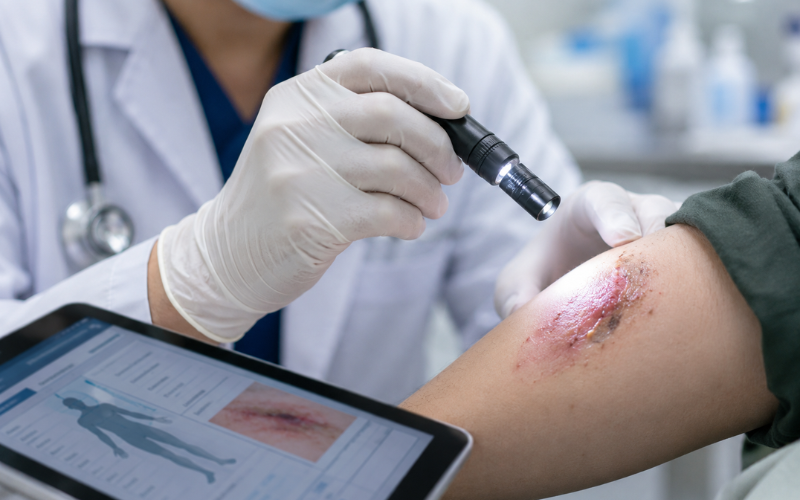
While treatment plans vary depending on wound type and severity, the core principles of wound management remain consistent.
1. Assess the Wound
Every wound should be evaluated for:
- Size and depth
- Drainage
- Tissue condition
- Signs of infection
- Blood flow
- Underlying medical conditions
A comprehensive assessment helps healthcare providers create an individualized treatment plan.
2. Clean the Wound Properly
Cleaning removes bacteria, debris, and dead tissue that may interfere with healing. Gentle irrigation and cleansing are essential for reducing infection risk while protecting healthy tissue.
3. Debridement When Necessary
Debridement is the removal of dead or non-viable tissue that slows healing. This process helps prepare the wound bed for healthy tissue growth and reduces bacterial burden.
4. Maintain Moisture Balance
An optimal wound environment should not be excessively dry or overly saturated. Moisture balance is critical for cellular repair and tissue regeneration.
5. Protect the Wound
Appropriate dressings shield the wound from contaminants, reduce trauma, and support healing conditions. Dressing selection depends on:
- Wound size
- Drainage level
- Infection status
- Tissue type
- Patient comfort
6. Monitor Healing Progress
Regular wound evaluations help identify stalled healing or emerging complications early. Consistent monitoring allows clinicians to adjust treatment strategies when necessary.
Common Types of Wounds Requiring Specialized Care
Some wounds require advanced clinical management due to their complexity or slow healing characteristics.
Diabetic Foot Ulcers
Patients with diabetes are at higher risk for wounds caused by poor circulation and nerve damage. Without proper care, diabetic wounds can progress rapidly and may lead to infection or amputation.
Pressure Injuries
Pressure injuries develop from prolonged pressure on the skin and underlying tissue, commonly affecting patients with limited mobility. Early intervention is critical to prevent tissue breakdown.
Surgical Wounds
Post-operative wounds require careful monitoring to reduce infection risk and support proper tissue closure.
Venous Leg Ulcers
Venous insufficiency can impair circulation and lead to chronic lower extremity wounds that require compression therapy and ongoing wound management.
Advanced Wound Care Approaches
Modern wound care extends beyond traditional dressings. Advanced therapies may include:
- Debridement
- Compression therapy
- Negative pressure wound therapy (NPWT)
- Biologic dressings
- Infection management
- Hyperbaric oxygen therapy
- Cellular and tissue-based products
These advanced modalities help stimulate healing in wounds that fail to respond to standard treatment.
When to Seek Professional Wound Care
You should seek specialized wound care if a wound:
- Does not improve within 2 weeks
- Shows signs of infection
- Produces excessive drainage
- Causes severe pain
- Develops black or dead tissue
- Occurs in a patient with diabetes or vascular disease
- Reopens repeatedly
Early intervention significantly improves healing outcomes and reduces long-term complications.
Comprehensive Healing Starts With Expert Care
At Woundology, our mission is to deliver advanced wound care solutions focused on healing, prevention, and long-term patient wellness. We understand that every wound is unique, which is why individualized treatment and continuous monitoring are essential components of recovery.
Through evidence-based care, advanced treatment strategies, and compassionate clinical support, effective wound management can help patients heal faster, regain mobility, and improve overall quality of life.
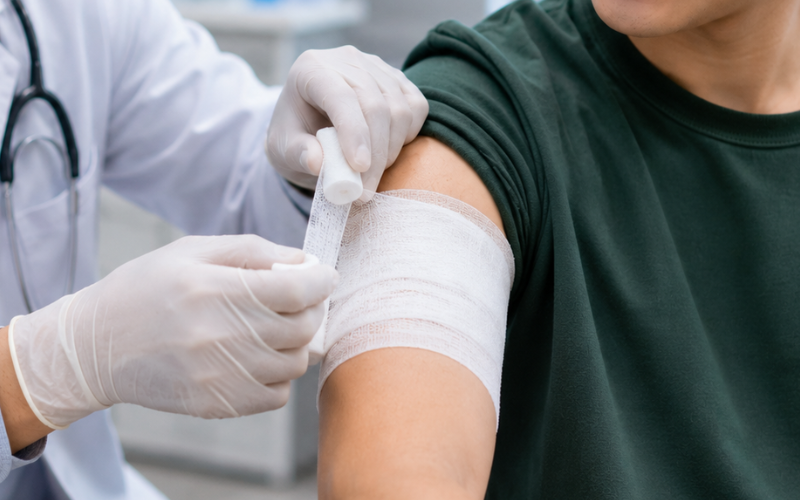
Wound management is not simply about treating damaged skin — it is about supporting the body’s entire recovery process. From infection prevention to advanced healing therapies, proper wound care plays a fundamental role in reducing complications and restoring health.
The earlier wounds are assessed and treated, the better the outcomes tend to be. With the right care plan, even complex wounds can heal more effectively and safely.