

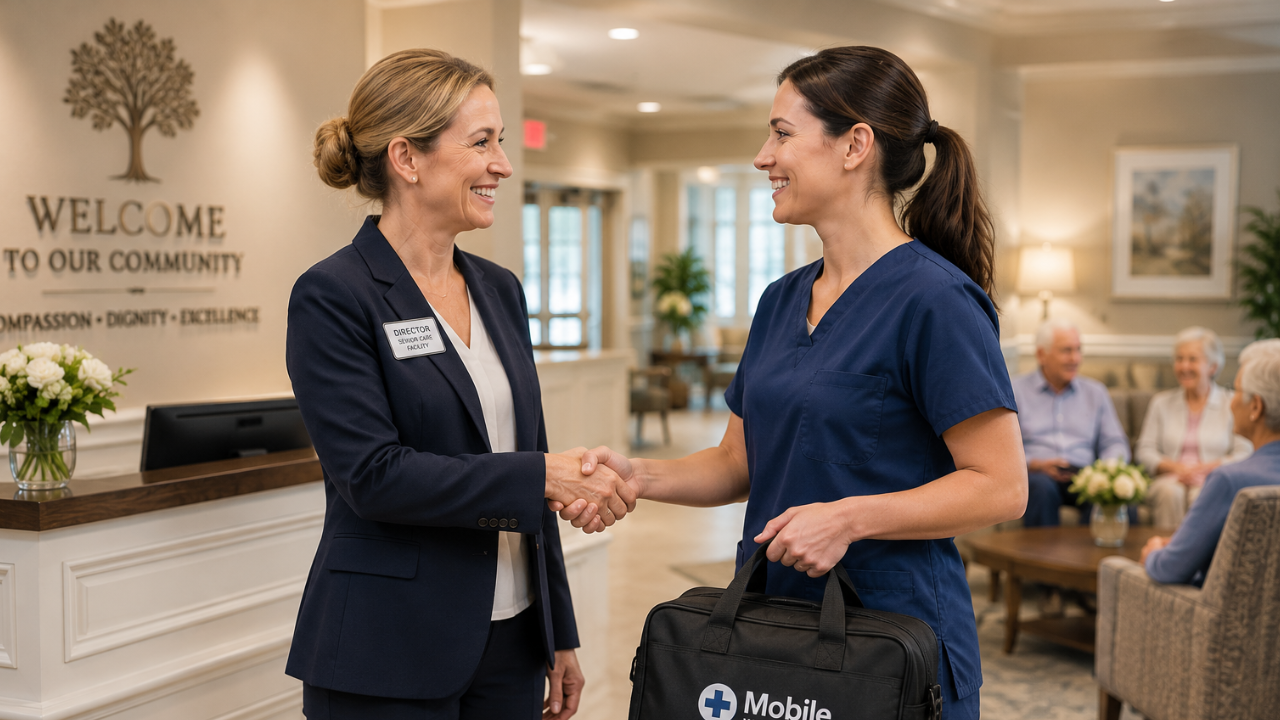
Managing chronic wounds, post-surgical injuries, pressure ulcers, and diabetic wounds can place significant demands on healthcare facilities. Between transportation challenges, staffing limitations, infection prevention, and continuity of care, traditional wound treatment models are not always practical for every patient setting.
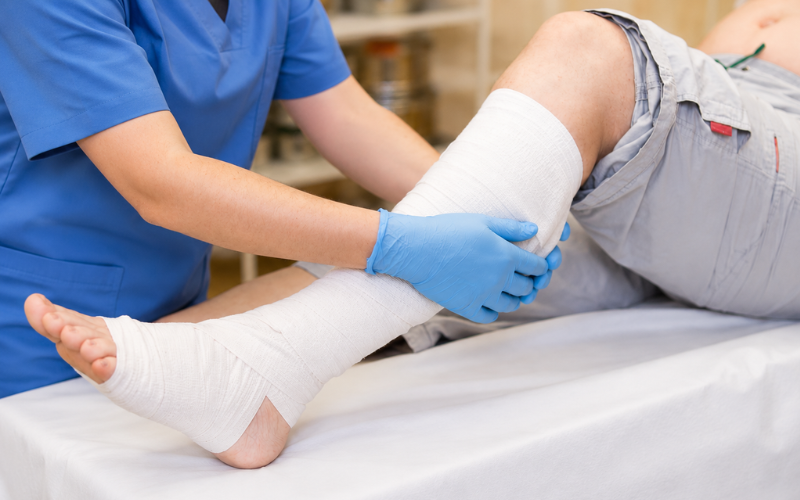
That’s why more healthcare providers are turning to mobile wound care services.
Mobile wound care brings advanced treatment directly to the patient’s bedside, allowing facilities to improve healing outcomes while reducing disruptions in care. From assisted living communities to skilled nursing facilities, bedside wound treatment offers a more efficient and patient-centered approach to wound management.
Why Mobile Wound Care Matters
Patients with chronic or complex wounds often require ongoing monitoring, specialized dressings, debridement, infection prevention, and coordinated follow-up care. Frequent transportation to outside clinics can be difficult, especially for elderly patients, individuals with mobility limitations, or residents in long-term care settings.
Mobile wound care eliminates many of these barriers by delivering specialized treatment directly within the facility. This model helps reduce unnecessary hospital visits, supports faster intervention, and creates a more comfortable healing environment for patients.
In addition to convenience, mobile wound care providers often collaborate closely with facility staff, primary care physicians, and caregivers to ensure continuity of care and better treatment outcomes.
Which Facilities Are Best Suited for Mobile Wound Management?
Assisted Living Facilities
Residents in assisted living communities frequently face age-related conditions that increase the risk of chronic wounds, including diabetes, poor circulation, reduced mobility, and fragile skin.
For these patients, transportation to off-site wound clinics may be physically exhausting or medically complicated. Mobile wound care allows residents to receive treatment in familiar surroundings without the stress of travel.
Assisted living facilities also benefit operationally. On-site wound specialists can help staff identify wound complications early, implement prevention strategies, and reduce avoidable hospital transfers. This contributes to a higher quality of care while improving the resident experience overall.
Common Wounds Treated in Assisted Living
- Pressure injuries
- Skin tears
- Venous ulcers
- Diabetic foot ulcers
- Post-surgical wounds
- Traumatic injuries
Skilled Nursing Facilities (SNFs)
Skilled nursing facilities often care for patients with medically complex conditions and limited mobility. Many residents require advanced wound management as part of their ongoing recovery or long-term treatment plans.
Mobile wound care services support SNFs by bringing specialized expertise directly into the facility. This reduces delays in treatment while helping staff manage wounds more effectively between provider visits.
For SNFs, consistent bedside wound care can also help lower readmission rates and improve healing timelines. Specialized wound teams commonly provide services such as debridement, infection management, advanced dressings, and bioengineered skin substitute applications.
Because wound-related complications can escalate quickly in high-risk patients, rapid intervention is critical in skilled nursing environments.
Long-Term Care Facilities
Long-term care residents often live with chronic medical conditions that make wound healing slower and more difficult. These patients may require weeks or months of ongoing wound management.
Mobile wound care offers long-term care facilities a practical solution by integrating treatment directly into the resident’s care routine. Instead of coordinating repeated outside appointments, facilities can provide advanced wound treatment on-site with minimal disruption.
This approach benefits both residents and care teams. Patients experience greater comfort and continuity, while facility staff gain additional support and wound care education from specialists.
Mobile wound care providers can also help long-term care facilities establish preventive wound protocols that reduce the risk of pressure injuries and chronic ulcer progression.
Home Health and Palliative Care Settings
Patients receiving home health or palliative care often face transportation limitations, chronic illness, or reduced physical endurance. For these individuals, traveling to a wound clinic may not be realistic.
Mobile wound care services allow patients to receive advanced treatment where they are most comfortable — at home. This model supports personalized care plans while reducing physical strain and caregiver burden.
In palliative care environments, wound specialists also focus on comfort management, infection prevention, and preserving quality of life. Coordinated bedside treatment can significantly improve patient dignity and comfort during ongoing care.
Hospitals and Rehabilitation Centers
Hospitals and rehabilitation facilities can also benefit from partnerships with mobile wound care providers, particularly when transitioning patients from inpatient treatment to recovery settings.
Continuity of care is essential after discharge, especially for patients recovering from surgery, traumatic injuries, or chronic wound complications. Mobile wound care helps bridge that transition by ensuring patients continue receiving specialized treatment without interruption.
Rehabilitation facilities, in particular, benefit when wound care is coordinated alongside physical therapy and recovery programs. Patients can remain focused on rehabilitation goals while receiving consistent bedside wound management.
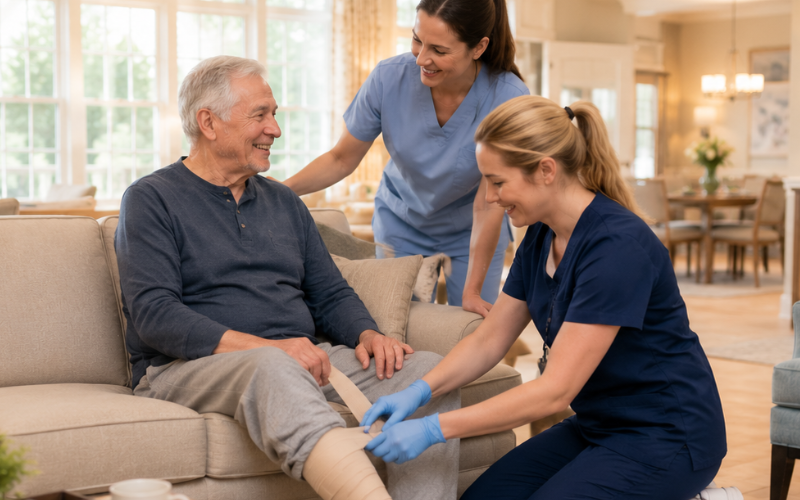
Benefits of Mobile Wound Care for Healthcare Facilities
Healthcare organizations that partner with mobile wound care providers often experience advantages beyond patient convenience.
Improved Patient Outcomes
Consistent monitoring and faster intervention can help wounds heal more efficiently while reducing complications. Specialized wound teams are trained to identify early signs of infection or delayed healing before conditions worsen.
Reduced Hospital Readmissions
Untreated or poorly managed wounds frequently lead to emergency visits and hospitalizations. On-site wound care helps facilities proactively manage wound progression and reduce avoidable transfers.
Better Patient Comfort
Receiving treatment in a familiar environment reduces anxiety and eliminates transportation-related stress, particularly for elderly or medically fragile patients.
Support for Facility Staff
Mobile wound care providers often collaborate directly with caregivers and nurses, offering guidance, training, and treatment recommendations that strengthen overall patient care.
Professional On-Site Wound Care Services in Southern California
As healthcare continues shifting toward more patient-centered treatment models, mobile wound care is becoming an essential solution for facilities managing chronic and complex wounds.
By delivering advanced wound treatment directly to the bedside, healthcare organizations can improve healing outcomes, reduce operational strain, and provide a more comfortable experience for patients.
At Woundology, we provide professional on-site wound care services throughout Southern California for assisted living communities, skilled nursing facilities, long-term care centers, rehabilitation facilities, and home health patients. Our experienced wound care specialists bring advanced treatment directly to your location, helping patients receive timely, compassionate care without the burden of transportation or unnecessary hospital visits.
From chronic wound management to preventive wound care support, Woundology is committed to helping facilities improve continuity of care, enhance patient comfort, and support better healing outcomes.
Related Articles: Common Wound Care Mistakes That Delay Healing