

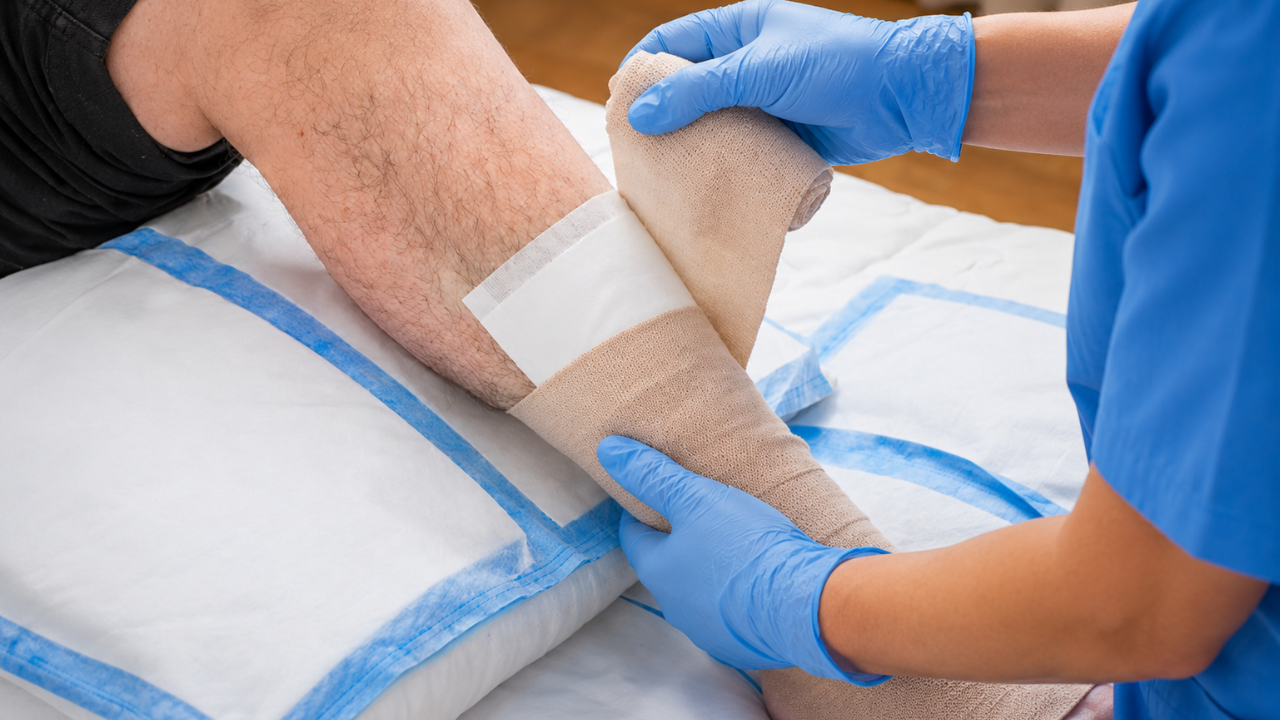
Venous ulcers are among the most common types of chronic wounds, affecting thousands of patients every year — especially older adults and individuals with poor circulation or limited mobility. These wounds can become painful, difficult to manage, and highly prone to infection when treatment is delayed or inconsistent.
For many patients, frequent trips to wound clinics or hospitals create additional physical and emotional stress. That’s why mobile wound care has become an increasingly valuable solution for venous ulcer treatment. By bringing advanced wound care directly to the patient’s home or healthcare facility, providers can improve healing outcomes while making treatment far more accessible and comfortable.
At Woundology, our mobile wound care specialists deliver evidence-based venous ulcer treatment throughout Southern California, helping patients receive expert care where they are most comfortable.
Understanding Venous Ulcers
Venous ulcers, also called venous leg ulcers, are open wounds that typically develop on the lower legs or around the ankles due to chronic venous insufficiency. This condition occurs when the veins in the legs cannot efficiently return blood back to the heart, causing blood to pool in the lower extremities.
Over time, increased pressure and poor circulation weaken the skin and surrounding tissue, eventually leading to slow-healing wounds. These ulcers often appear shallow with irregular borders and may be accompanied by swelling, skin discoloration, aching, drainage, or heaviness in the legs.
Without proper treatment, venous ulcers can worsen significantly and increase the risk of severe infection, cellulitis, or recurring chronic wounds.
Why Traditional Wound Care Can Be Challenging
Venous ulcer treatment often requires ongoing monitoring, dressing changes, compression therapy, debridement, and infection management over weeks or even months. Consistency is critical for healing.
However, many patients face barriers that make routine clinic visits difficult, including:
- Limited mobility
- Transportation issues
- Chronic pain or swelling
- Advanced age
- Multiple medical conditions
- Residence in assisted living or skilled nursing facilities
Missed appointments or inconsistent care can delay healing and increase complications. Mobile wound care helps eliminate these obstacles by delivering specialized treatment directly to the patient’s bedside.
Benefits of Mobile Wound Care for Venous Ulcer Patients
Personalized Treatment in the Comfort of Home
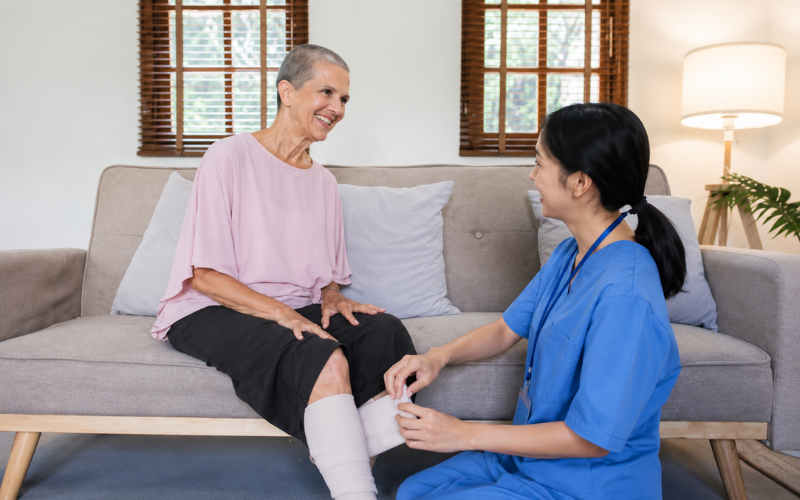
One of the biggest advantages of mobile wound care is convenience. Instead of traveling to a clinic, patients receive professional wound management at home, in assisted living communities, or in skilled nursing facilities.
Receiving care in a familiar environment can reduce stress and improve patient compliance with treatment plans. It also allows providers to better evaluate lifestyle factors, mobility challenges, and environmental conditions that may impact wound healing.
Faster Access to Specialized Care
Venous ulcers require specialized management techniques that go beyond basic wound cleaning and dressing changes. Mobile wound care teams are trained to identify complications early and adjust treatment plans quickly.
Advanced services may include:
- Comprehensive wound assessments
- Compression therapy
- Debridement procedures
- Infection prevention and management
- Moisture balance control
- Advanced wound dressings
- Bioengineered skin substitutes
- Ongoing wound monitoring
Early intervention and consistent care can significantly improve healing outcomes while reducing the risk of hospitalization.
Reduced Risk of Infection and Complications
Venous ulcers are highly vulnerable to bacterial infection due to prolonged inflammation and open tissue exposure. Delayed care may lead to worsening tissue damage, severe drainage, odor, increased pain, or systemic infection.
Mobile wound care providers closely monitor wounds for early signs of complications and can respond quickly with appropriate interventions. Consistent professional care also helps reduce unnecessary emergency room visits and hospital readmissions.

Improved Healing Through Consistent Monitoring
Healing chronic venous ulcers requires ongoing evaluation. Providers must regularly assess wound size, drainage, tissue quality, circulation, and response to treatment.
Mobile wound care supports continuity of care by ensuring patients receive scheduled follow-up visits and consistent treatment adjustments. Some providers also integrate telehealth support for additional monitoring and communication between in-person visits.
Better Quality of Life for Patients
Living with a chronic venous ulcer can affect nearly every aspect of daily life. Pain, swelling, limited mobility, odor, and wound drainage may interfere with sleep, physical activity, and emotional well-being.
Mobile wound care reduces the burden of transportation and long clinic wait times while allowing patients to remain in a more comfortable environment during recovery. This patient-centered approach often improves treatment adherence and overall satisfaction with care.
Mobile Venous Ulcer Treatment With Woundology
At Woundology, we provide professional mobile wound care services designed to support patients dealing with chronic venous ulcers and other complex wounds throughout Southern California.
Our experienced wound care specialists deliver compassionate, evidence-based treatment directly to patients in their homes, assisted living communities, skilled nursing facilities, and other care settings. From advanced wound assessments and compression therapy to ongoing wound management and healing support, our goal is to help patients heal safely, comfortably, and efficiently.
If you or a loved one is struggling with a slow-healing venous ulcer, Woundology is here to bring expert care directly to your bedside.
Related Articles: Understanding Wound Odor