

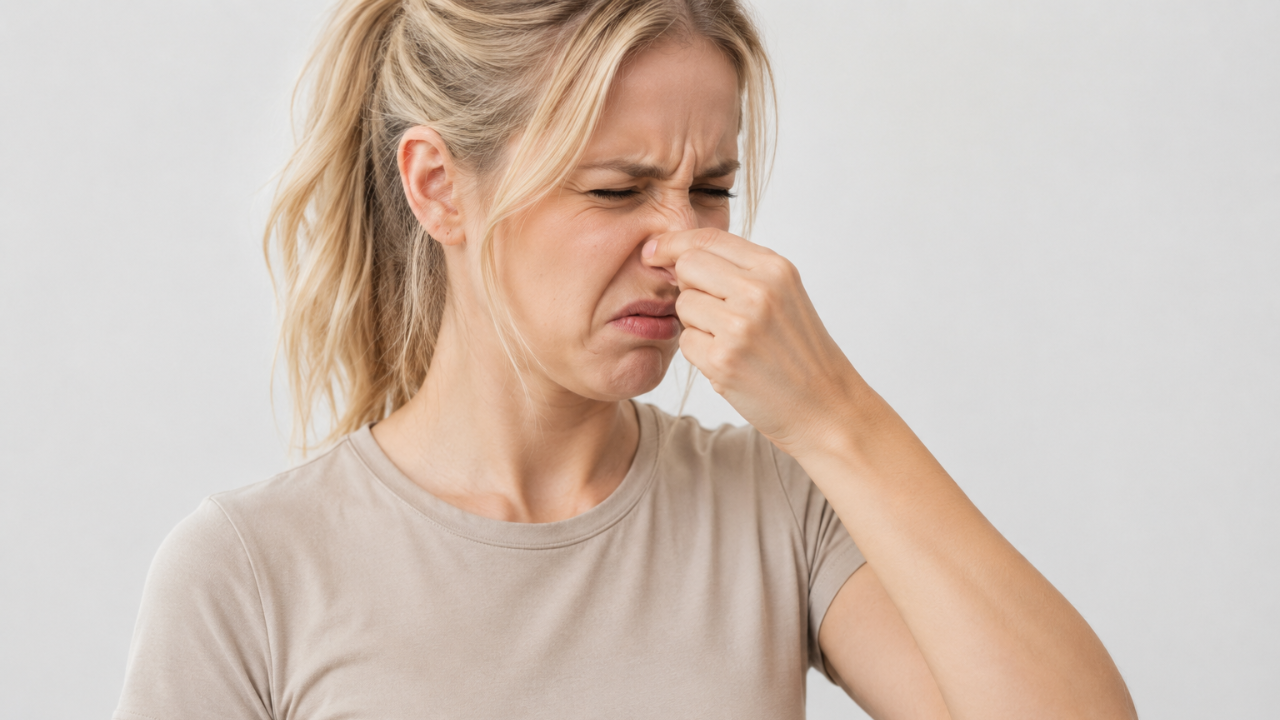
When people think about wound healing, they usually focus on visible signs like redness, swelling, drainage, or skin closure. But there’s another important indicator that healthcare professionals pay close attention to: wound odor.
While an unpleasant smell can be distressing for patients and caregivers, wound odor is often more than just a discomfort. It can provide valuable clinical information about bacterial activity, tissue health, infection risk, and the overall progress of healing.
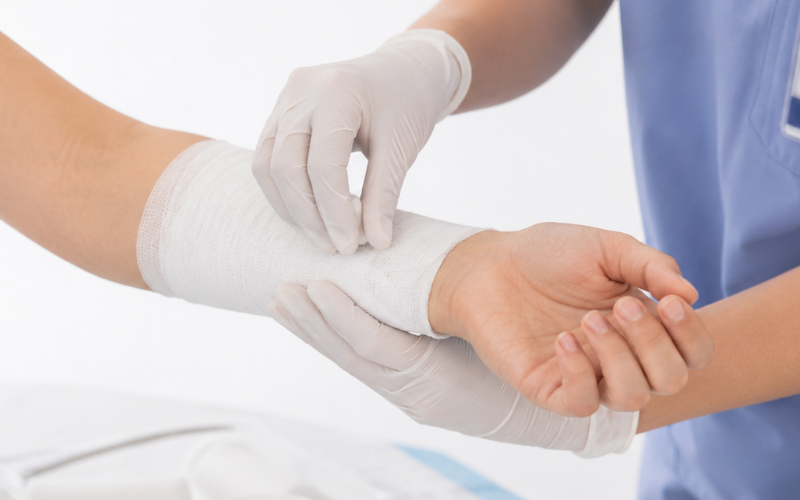
What Causes Wound Odor?
Wound odor typically develops when bacteria interact with wound tissue, fluids, or necrotic (dead) tissue. As microorganisms break down proteins and organic material, they release gases and chemical compounds that create noticeable smells.
Not all wound odors automatically indicate infection. In some cases, mild odor can occur naturally during healing, especially during dressing changes. However, strong or worsening odors often suggest complications that require medical evaluation.
Common contributors to wound odor include:
- Bacterial colonization
- Dead or necrotic tissue
- Excess wound drainage
- Poor oxygen circulation
- Delayed healing
- Infrequent dressing changes
- Chronic wound conditions
Chronic wounds such as pressure injuries, diabetic ulcers, venous leg ulcers, and surgical wounds are particularly prone to developing odor due to prolonged inflammation and bacterial buildup.
What Different Wound Odors May Indicate
Healthcare professionals often assess the type, strength, and progression of wound odor as part of a comprehensive wound evaluation.
Mild or Temporary Odor
A slight odor immediately after removing a dressing may be considered normal, especially if it disappears after cleansing. Some wound dressings, including hydrocolloids, can also create a characteristic smell during normal use.
Foul or Putrid Odor
A strong, rotten, or persistent odor may indicate bacterial overgrowth or infection. Anaerobic bacteria, which thrive in low-oxygen environments, are commonly associated with severe wound odor.
Sweet or Fruity Odor
Certain bacteria can produce sweet-smelling compounds. While not always dangerous, unusual sweet odors should still be evaluated by a wound care specialist.
Sudden Changes in Odor
A wound that suddenly develops a stronger smell or changes odor characteristics may signal worsening tissue damage, increased bacterial activity, or delayed healing.
Why Wound Odor Matters in the Healing Process
Wound odor is not simply a cosmetic or social concern. It can significantly impact both clinical outcomes and emotional well-being.
1. It Can Signal Infection Early
Odor changes may help healthcare providers detect infection before more serious complications occur. When combined with symptoms like redness, swelling, pain, warmth, or increased drainage, malodor often indicates the need for immediate intervention.

2. It Helps Monitor Treatment Effectiveness
As wounds improve, odor often decreases. Persistent or worsening smell may indicate that current treatment strategies need adjustment, such as:
- Debridement
- Infection control
- Moisture management
- Dressing changes
- Advanced wound therapies
Tracking odor progression can provide valuable insight into whether healing is moving in the right direction.
3. It Affects Quality of Life
For many patients, wound odor can lead to embarrassment, anxiety, social withdrawal, and emotional distress. Studies show that malodorous wounds can negatively impact mental health, relationships, and daily functioning.
Addressing odor management is therefore an essential part of compassionate wound care.
When Should You Seek Professional Wound Care?
You should contact a wound care professional if a wound odor:
- Becomes stronger over time
- Persists after cleaning
- Smells foul, rotten, or unusually sweet
- Is accompanied by redness or swelling
- Produces increased drainage
- Causes fever or worsening pain
- Delays wound healing
Early intervention can help prevent complications and improve healing outcomes.
The Emotional Side of Wound Odor
The psychological effects of chronic wound odor are often overlooked. Many patients report feeling isolated or self-conscious due to persistent wound smells. Caregivers may also experience emotional stress when managing chronic wounds at home.
Compassionate wound care means treating both the wound and the person behind it. Proper support, education, and clinical care can make a meaningful difference in a patient’s confidence and daily comfort.

Wound odor can reveal important information about the healing process. While some odor may occur naturally during recovery, persistent or worsening smells should never be ignored.
Understanding wound odor allows healthcare providers to identify potential complications earlier, improve treatment strategies, and support better healing outcomes. Most importantly, addressing odor is an important part of restoring patient comfort, dignity, and quality of life.
If you or a loved one is dealing with chronic wounds, slow wound healing, or a concerning wound odor, Woundology’s mobile wound care service can help.
Related Articles: Understanding the Impact of Aging on Skin and Wound Healing