

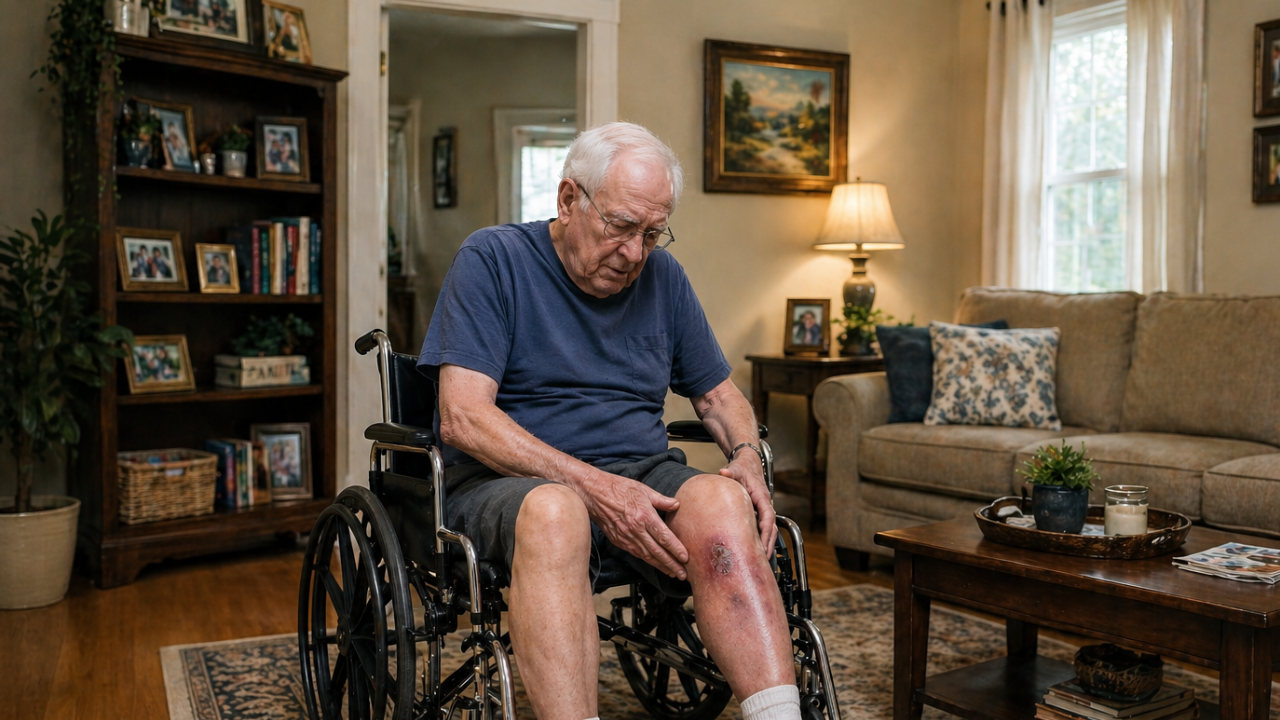
A wound that takes longer than expected to heal is more than just an inconvenience—it can signal underlying health issues that require attention. Slow healing wounds, often classified as chronic wounds, can increase the risk of infection, reduce quality of life, and lead to serious complications if not managed properly. Understanding the causes behind delayed healing is essential for choosing the right wound care approach and improving outcomes.
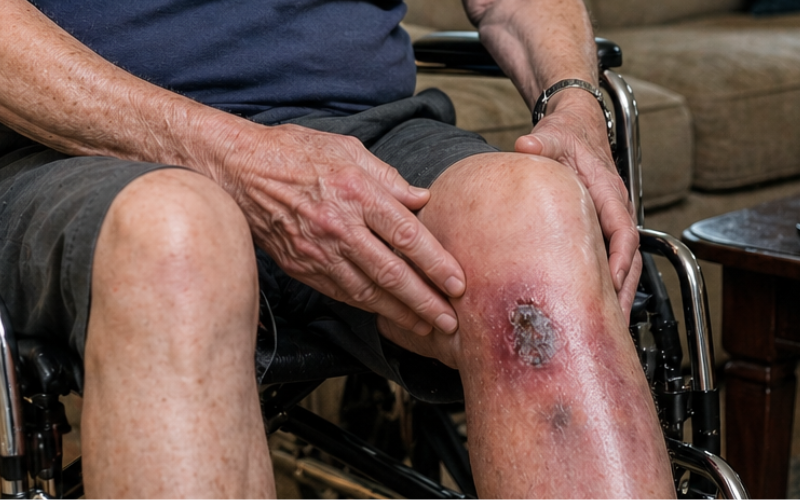
What Are Slow Healing Wounds?
Slow healing wounds are injuries that fail to progress through the normal stages of healing within an expected timeframe—typically 4 weeks. These may include:
- Diabetic ulcers
- Pressure ulcers (bedsores)
- Venous or arterial ulcers
- Surgical wounds with delayed closure
Unlike acute wounds, these require specialized wound care interventions to support recovery.
Common Causes of Slow Healing Wounds
1. Poor Blood Circulation
Adequate blood flow is essential for delivering oxygen and nutrients to the wound. Conditions such as peripheral artery disease (PAD) can significantly impair healing.
2. Diabetes
High blood sugar levels can damage blood vessels and nerves, reducing circulation and sensation. This makes wounds harder to detect and slower to heal.
3. Infection
Bacterial contamination prolongs inflammation and prevents tissue repair. Without proper wound care, infections can worsen rapidly.
4. Repeated Trauma or Pressure
Constant pressure or friction—common in bedridden patients—can reopen wounds or prevent closure.
5. Nutritional Deficiencies
Healing requires adequate protein, vitamins (especially C and A), and minerals like zinc. Poor nutrition delays tissue regeneration.
6. Aging
Older adults naturally experience slower cell turnover and reduced immune response, impacting healing efficiency.
7. Chronic Inflammation
Underlying conditions such as autoimmune disorders can keep the body in a prolonged inflammatory state, interfering with healing.
Risk Factors to Watch For
You may be at higher risk for slow healing wounds if you:
- Have diabetes or vascular disease
- Smoke or use tobacco products
- Have limited mobility
- Experience frequent infections
- Are over the age of 65
Early identification allows for more proactive and effective wound care management.
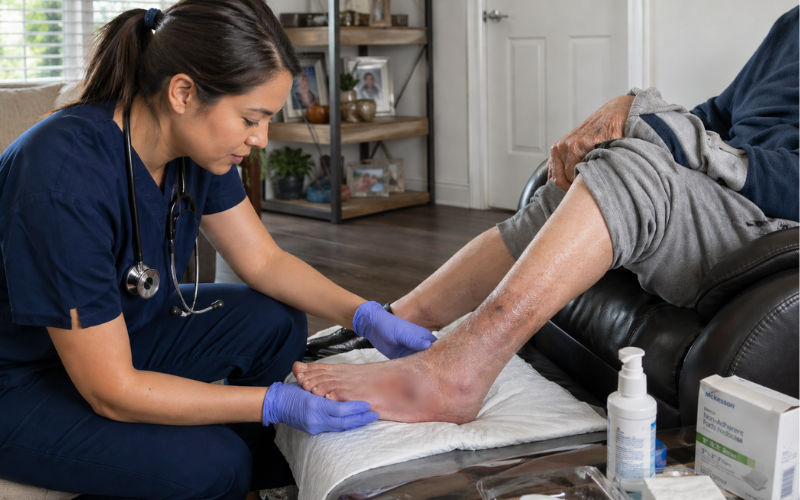
Effective Wound Care Strategies
1. Proper Wound Cleaning
Keeping the wound clean reduces infection risk and supports healing. Use appropriate cleansing solutions as recommended by healthcare providers.
2. Moist Wound Healing
Maintaining a balanced moisture environment promotes faster tissue regeneration and reduces scarring.
3. Advanced Dressings
Modern dressings—such as hydrocolloids, foams, and antimicrobial layers—are designed to optimize healing conditions.
4. Pressure Offloading
Reducing pressure on affected areas is crucial, especially for ulcers. Specialized cushions or repositioning strategies may be required.
5. Blood Sugar Management
For diabetic patients, controlling glucose levels is essential for effective wound care.
6. Nutritional Support
A diet rich in protein, vitamins, and minerals accelerates tissue repair.
7. Professional Wound Care Services
Chronic wounds often require evaluation by wound care specialists who can provide advanced therapies such as debridement or negative pressure wound therapy.
When to Seek Medical Attention
Do not delay care if a wound:
- Persists beyond 4 weeks
- Shows signs of infection
- Is associated with underlying health conditions
Timely intervention can prevent complications and significantly improve healing outcomes.
Slow healing wounds are a complex medical issue that requires a comprehensive and proactive approach. By understanding the underlying causes and implementing evidence-based wound care strategies, patients can reduce complications and support faster recovery.
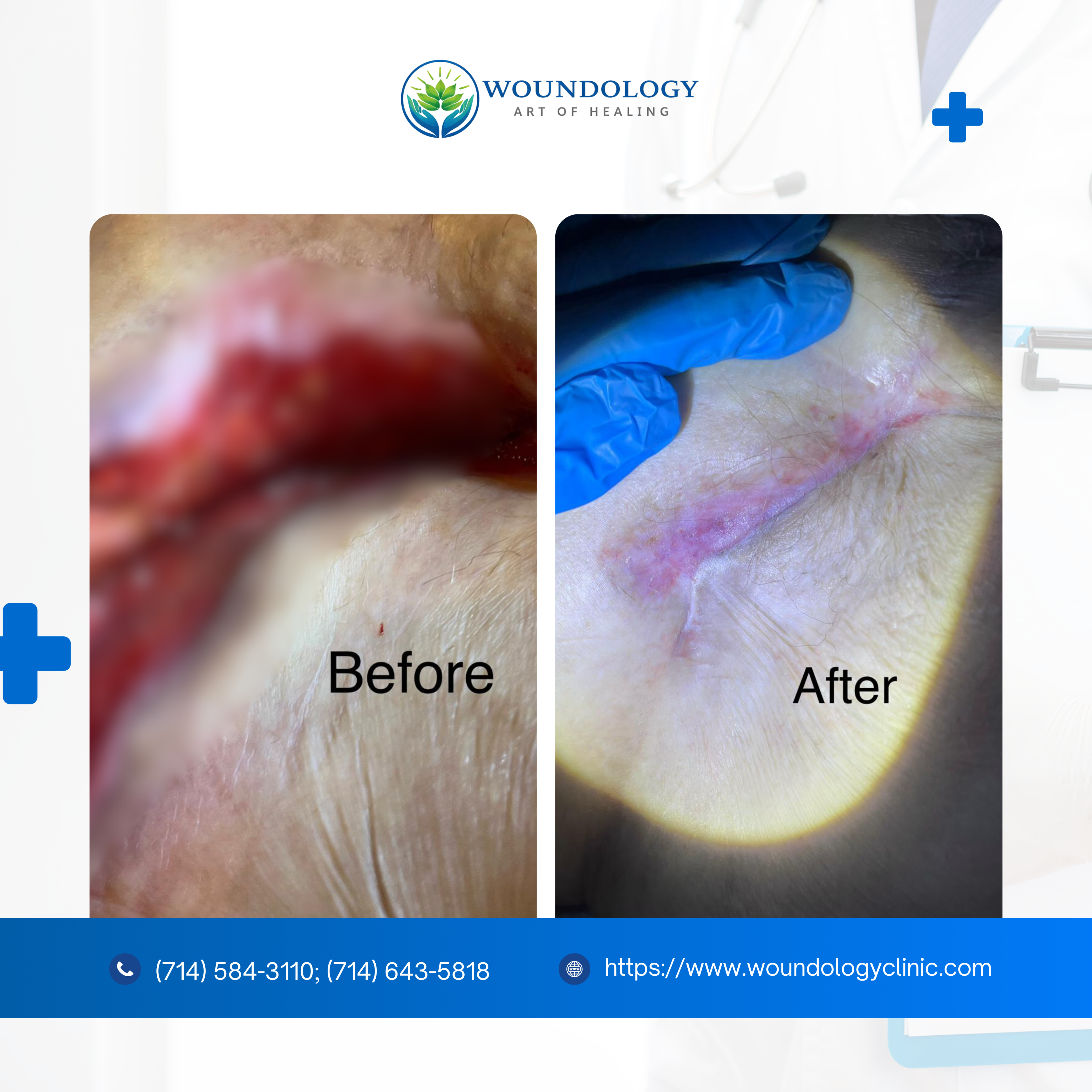
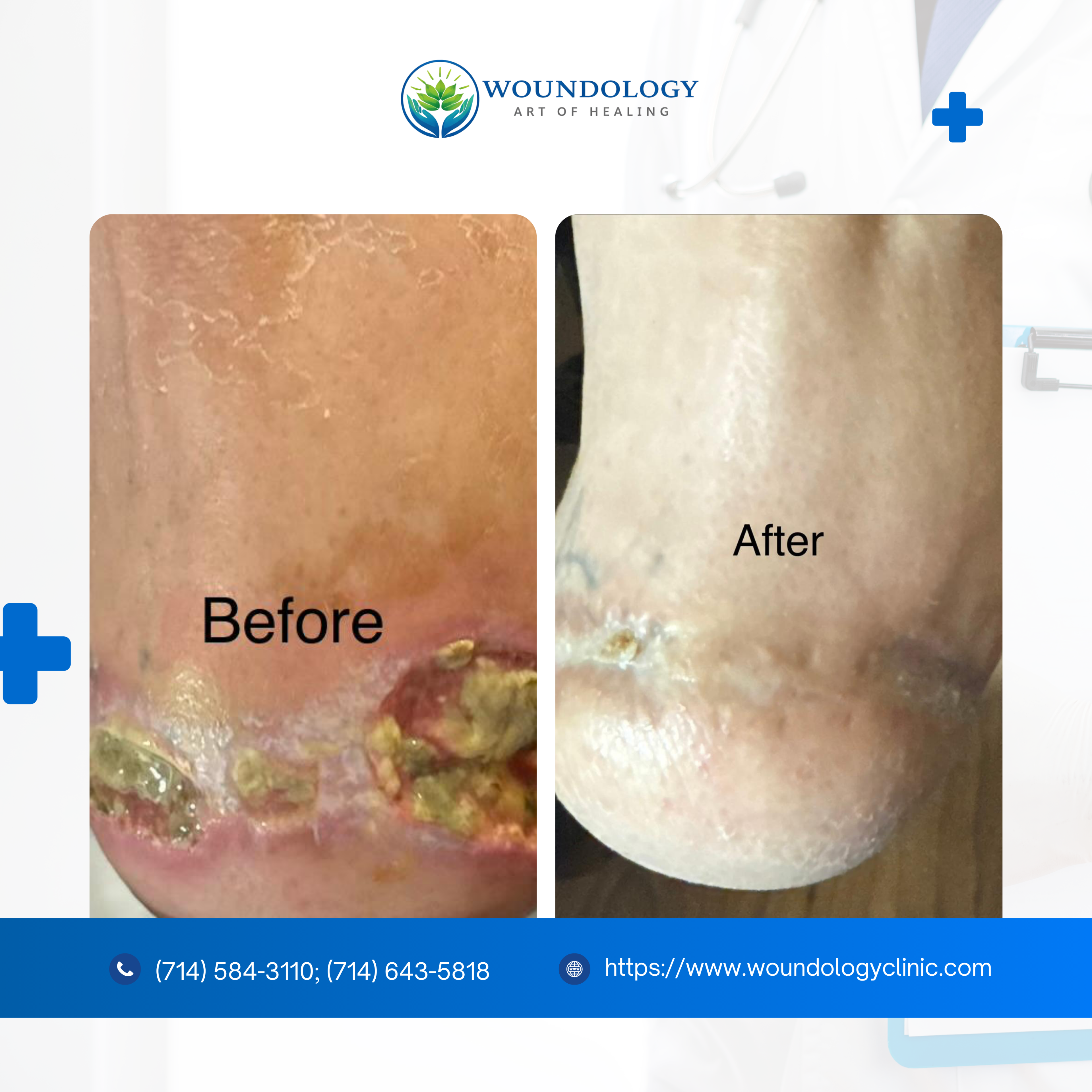
At Woundology, we are committed to delivering advanced wound care solutions that prioritize safety, comfort, and optimal healing—right from the comfort of your home.