

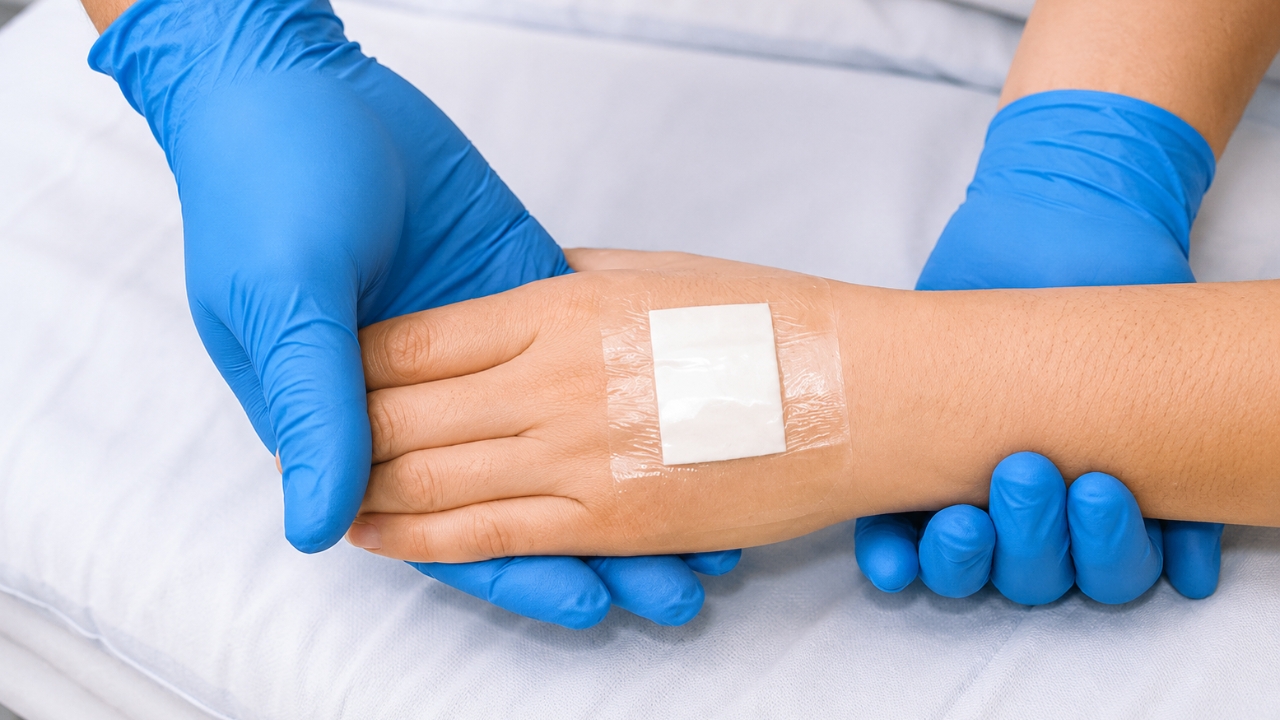
Healing a wound is a journey that extends beyond treatment itself. Along the way, patients may experience a variety of sensations—from mild discomfort and itching to concerns about whether their recovery is progressing as expected. Understanding what is normal and what may signal a problem is essential for achieving the best healing outcomes. In this article, Woundology’s wound care experts guide you through the most common sensations after wound care, explain their causes, and share practical tips to support a smoother and more comfortable recovery.
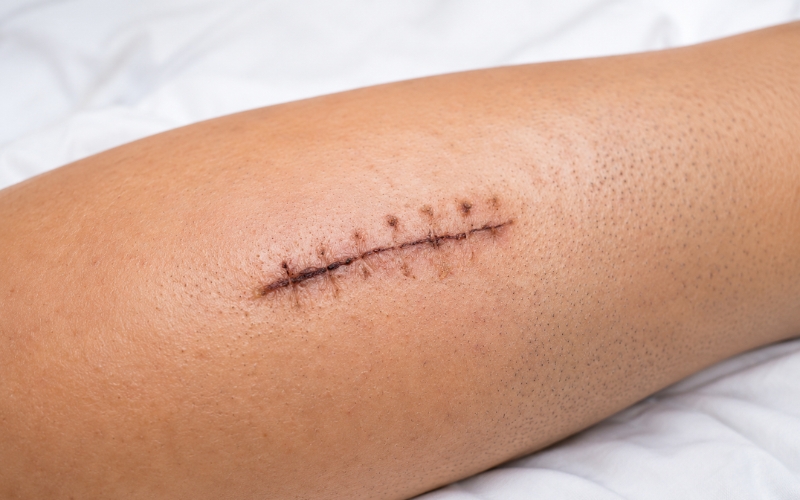
Some Normal Symptoms After Wound Care
After receiving wound care, it is common to experience certain sensations as the body repairs damaged tissues.
Mild Pain or Tenderness
A slight degree of pain or soreness is expected, especially during the first few days after treatment. This occurs because the body activates inflammatory responses to begin the healing process.
Itching Around the Wound
Itching is one of the most common signs of healing. As new skin cells develop and nerves regenerate, patients may notice a mild itchy sensation around the wound site.
Tightness or Pulling Sensation
As new tissue forms and the wound begins to close, the skin may feel tight or stretched. This is particularly common in larger wounds or surgical incisions.
Slight Swelling
Mild swelling is a natural part of the body’s healing response. It typically improves within a few days as inflammation subsides.
Clear or Light Yellow Drainage
A small amount of clear fluid or pale yellow drainage can be normal during the early stages of healing. This fluid helps keep the wound moist and supports tissue repair.
Abnormal Signs After Wound Care
Certain symptoms should not be ignored, as they may indicate infection, delayed healing, or other complications.
Increasing Pain
Pain that becomes more severe instead of improving over time may be a warning sign of infection or tissue damage.
Excessive Redness and Swelling
If redness spreads beyond the wound edges or swelling worsens significantly, medical evaluation is recommended.
Thick Yellow, Green, or Foul-Smelling Discharge
Abnormal drainage often indicates bacterial infection and requires prompt treatment.
Fever or Chills
Systemic symptoms such as fever, chills, or fatigue may suggest that the infection has spread beyond the wound site.
Delayed Healing
A wound that shows little or no improvement after several weeks may require specialized wound care intervention.
Bleeding That Does Not Stop
Persistent bleeding despite proper dressing and pressure should be assessed by a healthcare professional immediately.
Causes of Discomfort After Wound Care
Several factors can contribute to uncomfortable sensations following wound treatment.
Natural Inflammatory Response
Inflammation is the body’s first step toward healing. During this phase, increased blood flow and immune activity can cause tenderness, warmth, and mild swelling.
Nerve Regeneration
As damaged nerves repair themselves, patients may experience tingling, itching, or occasional sharp sensations.
Dressing Changes
Some wound dressings can temporarily adhere to healing tissues, causing discomfort during removal or replacement.
Dryness Around the Wound
Skin surrounding the wound may become dry and irritated, leading to itching and tightness.
Infection or Complications
When discomfort becomes severe or persistent, infection may be the underlying cause.
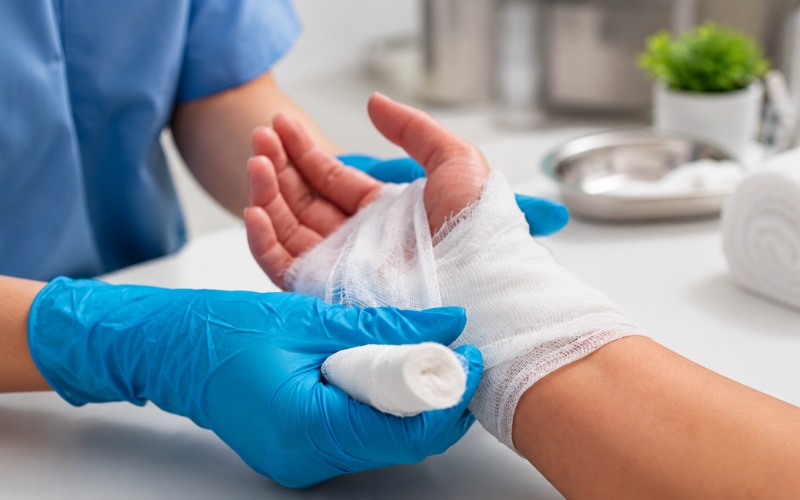
Home Remedies to Reduce Discomfort After Wound Care
Many mild symptoms can be managed safely at home.
Follow Wound Care Instructions Carefully
Always clean and dress the wound according to your healthcare provider’s recommendations.
Avoid Scratching
Even if the wound feels itchy, scratching can damage new tissue and increase infection risk.
Stay Hydrated
Proper hydration supports tissue repair and helps maintain skin elasticity.
Use Prescribed Pain Relief
Over-the-counter or prescribed medications may help manage temporary discomfort when recommended by a healthcare professional.
Elevate the Affected Area
If the wound is located on an arm or leg, elevation may help reduce swelling and discomfort.
Protect the Wound
Avoid unnecessary pressure, friction, or trauma to the healing area.
Nutrition and Care Habits to Support Faster Recovery
Healing requires adequate nutrients and healthy lifestyle habits.
Increase Protein Intake
Protein is essential for tissue regeneration and wound closure. Good sources include lean meats, fish, eggs, dairy products, legumes, and nuts.
Consume Vitamin C-Rich Foods
Vitamin C supports collagen production and immune function. Citrus fruits, strawberries, kiwi, and bell peppers are excellent options.
Ensure Adequate Zinc Intake
Zinc plays an important role in wound healing and tissue repair.
Maintain Good Blood Sugar Control
For patients with diabetes, stable blood glucose levels are critical for proper wound healing.
Avoid Smoking and Excessive Alcohol
Both smoking and excessive alcohol consumption can significantly delay recovery.
Get Sufficient Rest
Quality sleep allows the body to focus energy on tissue repair and immune function.
Criteria for Choosing a Reliable Wound Care Provider for Effective Wound Healing
Successful wound care is about more than closing a wound—it is about ensuring comfort, confidence, and long-term healing. Choosing the right wound care provider plays a critical role in achieving these outcomes. A trusted clinic should offer experienced specialists, evidence-based treatment approaches, advanced technologies, and personalized care tailored to each patient’s unique needs.
At Woundology, we believe every patient deserves professional, compassionate, and respectful care throughout their healing journey. Our multidisciplinary team of wound care experts combines clinical expertise with a patient-centered approach to deliver the highest standard of treatment.
What sets Woundology apart is our commitment to innovation. We utilize advanced wound imaging technologies such as MolecuLightDX®, which enables real-time visualization of harmful bacteria that may not be detectable with the naked eye. This cutting-edge technology helps our clinicians make more informed treatment decisions, reduce the risk of infection, and optimize healing outcomes.
We understand that no two wounds are alike. That is why every treatment plan is carefully designed based on the patient’s condition, wound characteristics, and recovery goals. By combining advanced diagnostics, individualized treatment strategies, and ongoing support, we help patients achieve faster healing and improved quality of life.
When you choose a reputable wound care provider, concerns about post-treatment discomfort can be replaced with confidence in your recovery process. At Woundology, we do more than treat wounds—we provide comprehensive, sustainable wound care solutions that support healing every step of the way.
Frequently Asked Questions About Wound Care
Is itching a sign that my wound is healing?
Yes. Mild itching is often a normal part of the healing process as new skin and nerve tissues regenerate.
How long should discomfort last after wound care?
Most mild discomfort improves within several days. Persistent or worsening symptoms should be evaluated by a healthcare professional.
When should I seek medical attention?
Seek medical care if you experience increasing pain, spreading redness, fever, foul-smelling drainage, or delayed healing.
Is slight swelling normal after wound treatment?
Yes. Mild swelling is a common inflammatory response and usually improves as healing progresses.
Can I exercise while my wound is healing?
It depends on the wound type and location. Consult your healthcare provider before engaging in activities that may strain the wound area.
Woundology’s mobile wound care services, please call (714) 643-5818. Referrals may be faxed to (714) 462-3074 or emailed to referral@woundologyclinic.com .
Our mobile wound care specialists provide advanced wound treatment services in homes, skilled nursing facilities (SNFs), assisted living communities, hospice, and home health settings throughout Southern California.